I heard that Heshikiri Hasebe, the famous sword, would be there, so I travelled to the Kyushu National Museum in Dazaifu. Standing before the National Treasure blade, what really burned itself into my memory was… the presence of the queue behind me (laughs). Yet again, a truly wonderful day.
What Kind of Exhibition Is “Kyuhaku’s Beautiful Bounty”?
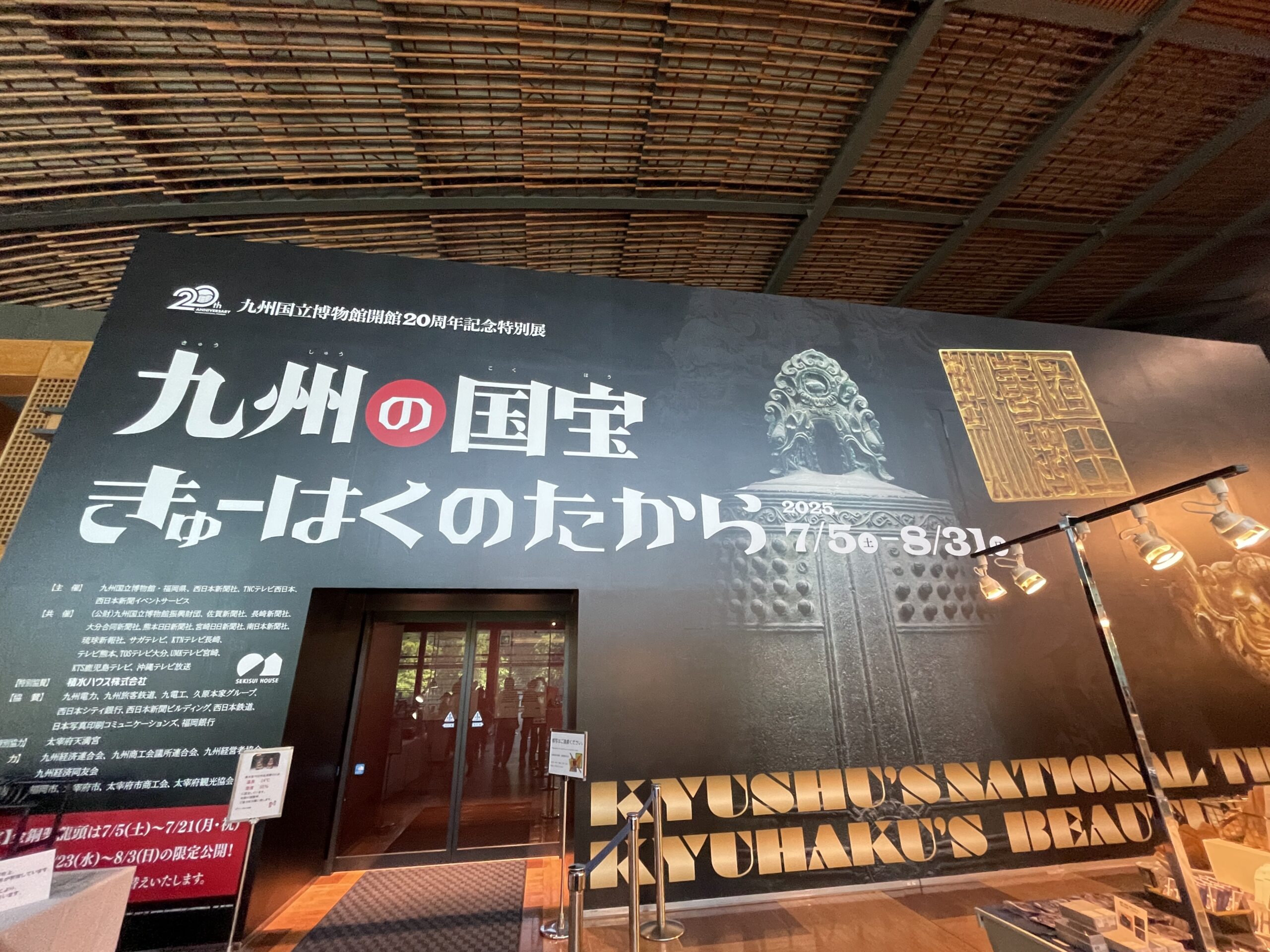
The special exhibition “Kyushu’s National Treasures: Kyuhaku’s Beautiful Bounty” (5 July-31 August 2025) celebrated the 20th anniversary of the Kyushu National Museum. More than 60 National Treasures connected to Kyushu and Okinawa were gathered in one place, the first opportunity of its kind in 27 years.
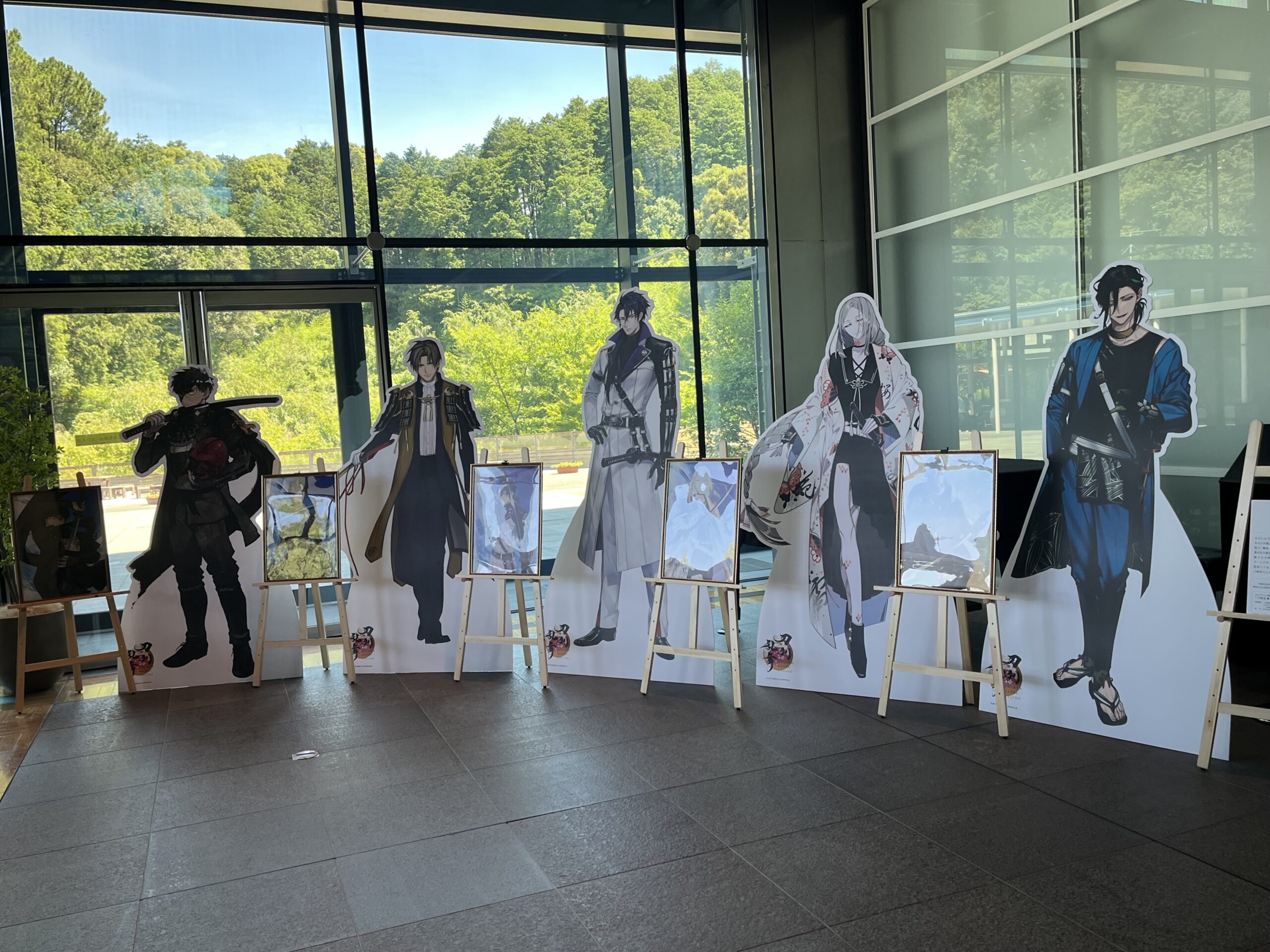
There was also a collaboration with the game Touken Ranbu ONLINE, and life-size panels of five sword warriors – Heshikiri Hasebe, Dotanuki Masakuni, Nikko Ichimonji, Kokin Denju no Tachi, and Sasanuki – stood in the venue. The panels looked fantastic. The collaboration drink was genuinely tasty too, which I appreciated.
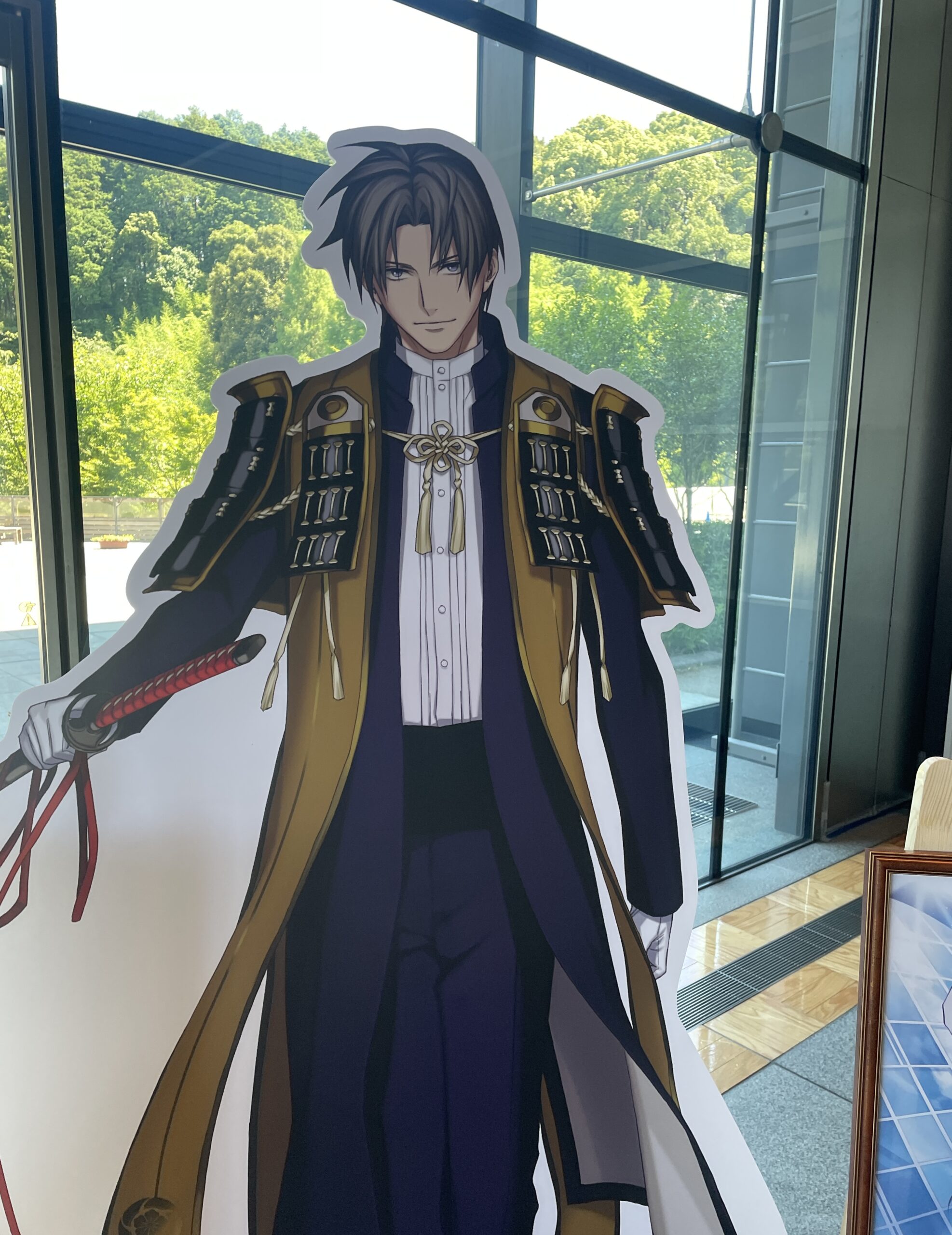
Heshikiri Hasebe: A Few Seconds at the Front of the Queue
My goal was the National Treasure “Heshikiri Hasebe,” a sword passed down through the Kuroda family. Its name comes from the story that Oda Nobunaga killed a tea attendant hiding under a kitchen shelf by pressing the blade down onto him – “heshikiri” meaning to crush-cut without even swinging. The exhibit caption read: “Hiding is useless!” The museum was clearly having fun with this one (laughs).
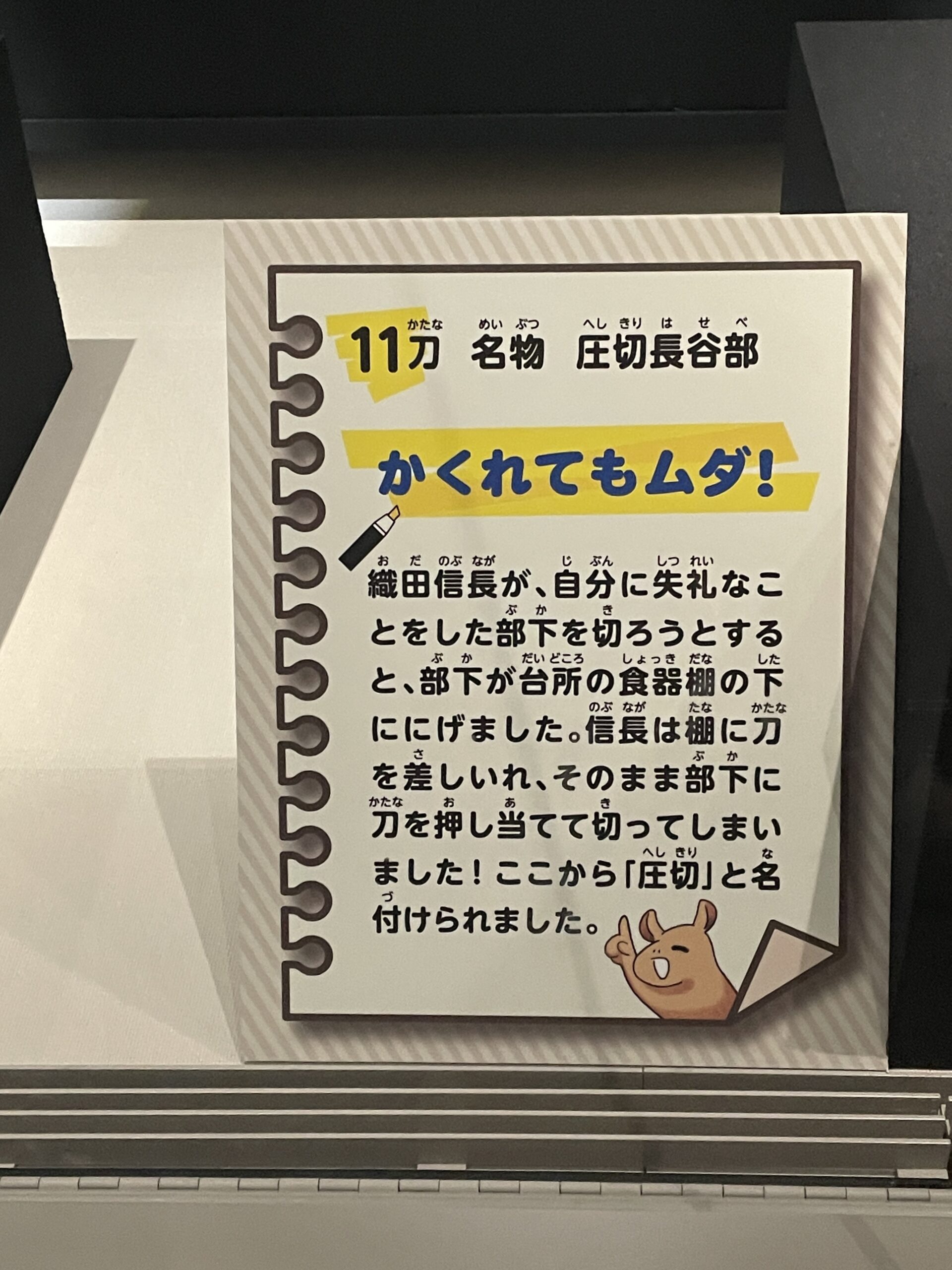
Inside the exhibition room, swords were lined up towards the back… and there was a queue formed just for viewing Heshikiri Hasebe. You join the end of the line and file past in a steady flow, which means that even when you finally reach the front, there’s no lingering.
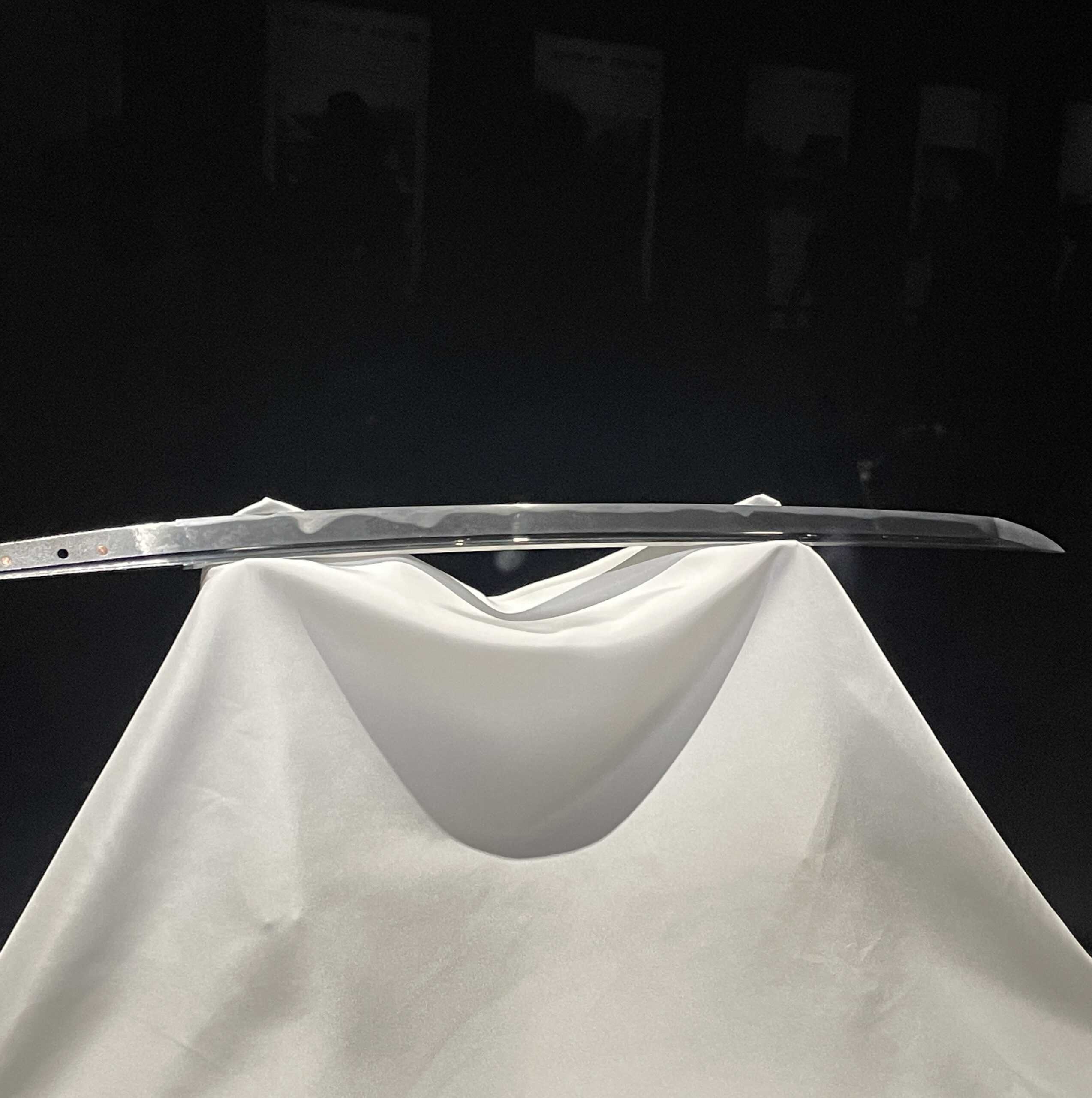
And then, my long-awaited few seconds face to face with the sword. The thought that crossed my mind: “The people behind me are waiting, aren’t they?” Standing before a National Treasure, all I could think about was the presence at my back. Nobunaga would scold me (laughs). Try as I might, I couldn’t give the blade my undivided attention.
The Doll-Shaped Ginseng, My New Treasure
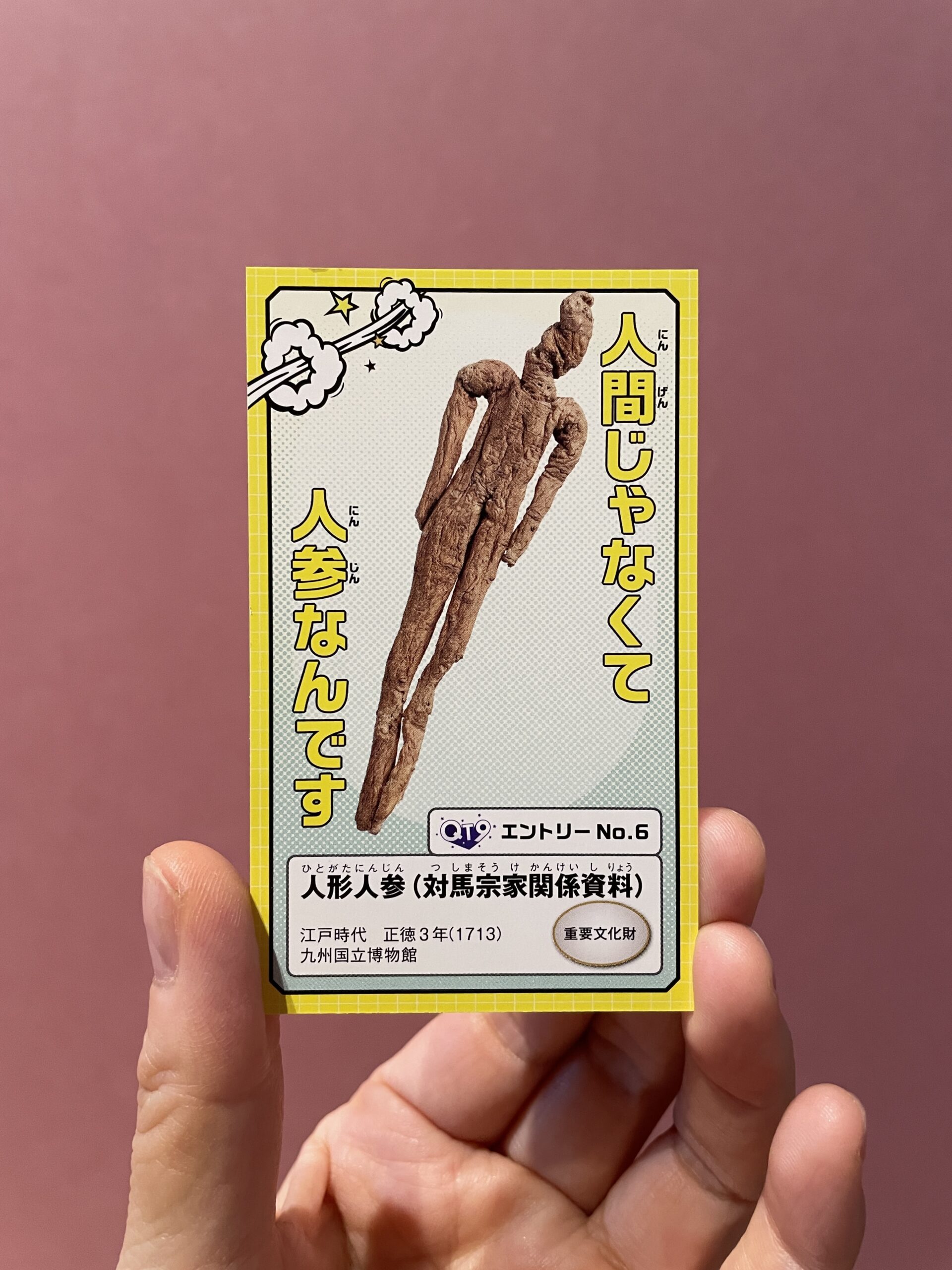
What truly captured my heart, though, wasn’t a sword. It was the “doll-shaped ginseng” (hitogata ninjin), a Korean ginseng root in the shape of a human figure, discovered in the Edo period at the Tsushima domain’s ginseng office, the bureau that managed imports of this precious medicine. And it’s a designated Important Cultural Property, no less.
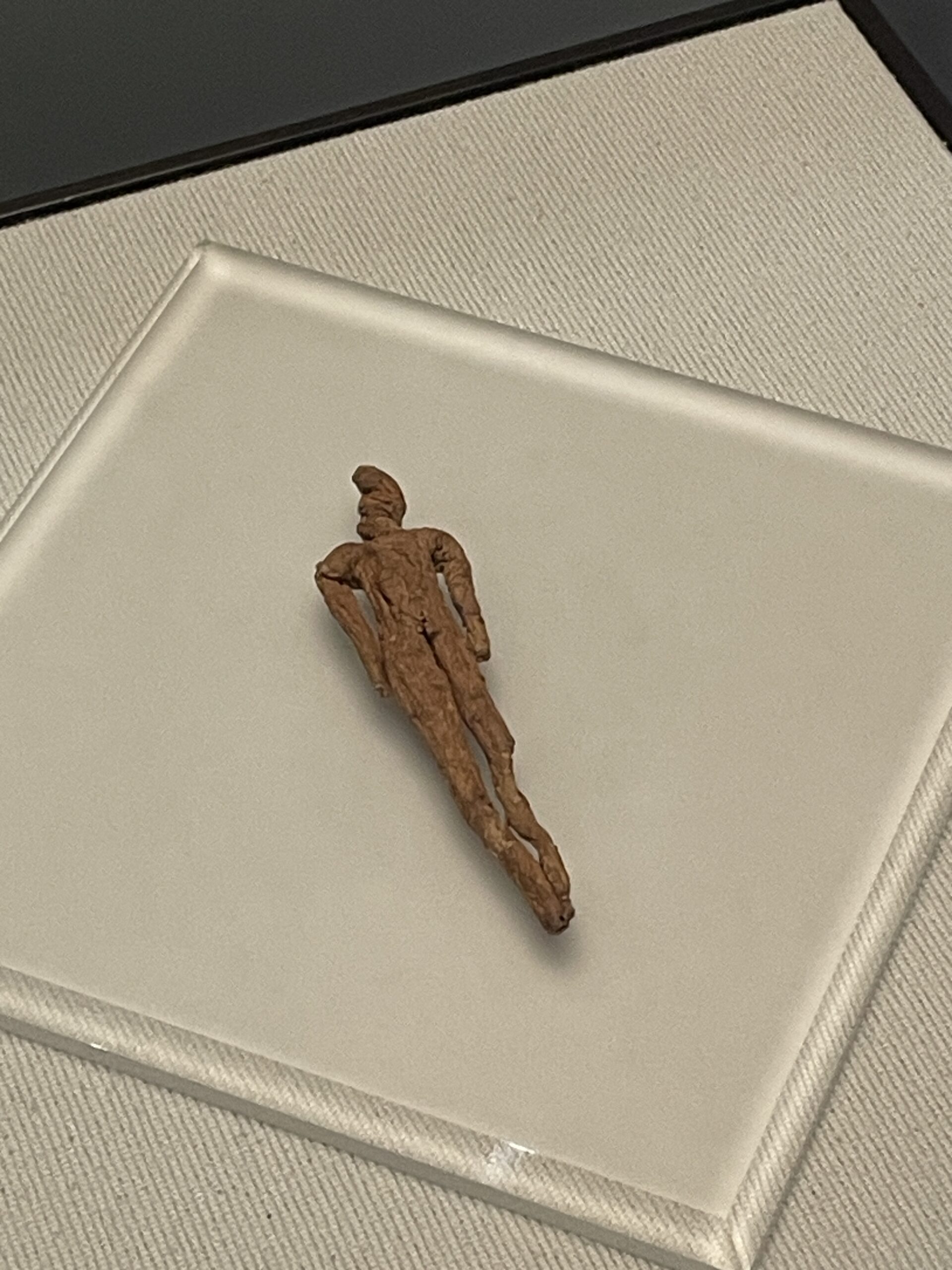
Did the person who found it think, “Wait, doesn’t this look like a person?! Hilarious!” Or was it more of a “Behold! A ginseng imbued with a human soul!” moment? I’ll never know which, probably the latter, but someone went “Oh!”, treasured it, and now here it is, on display in a museum. I love how the “present moment” of people long ago becomes history and settles into a display case. Just imagining their story is a joy in itself.
Before I knew it, I had taken five photos of the doll-shaped ginseng alone. I came for a sword, supposedly.
At the exit, cards featuring items from the exhibition were being handed out for free. From all the options, I carefully selected just one: the ginseng. “It’s not a doll – it’s a ginseng.” This is a treasure now, I tell you. Utterly smitten.
Final Thoughts
The venue was quite crowded, especially around the sword displays. There were mountains of goods on sale, but there were so many that I ended up buying nothing at all. You know how that goes, right?
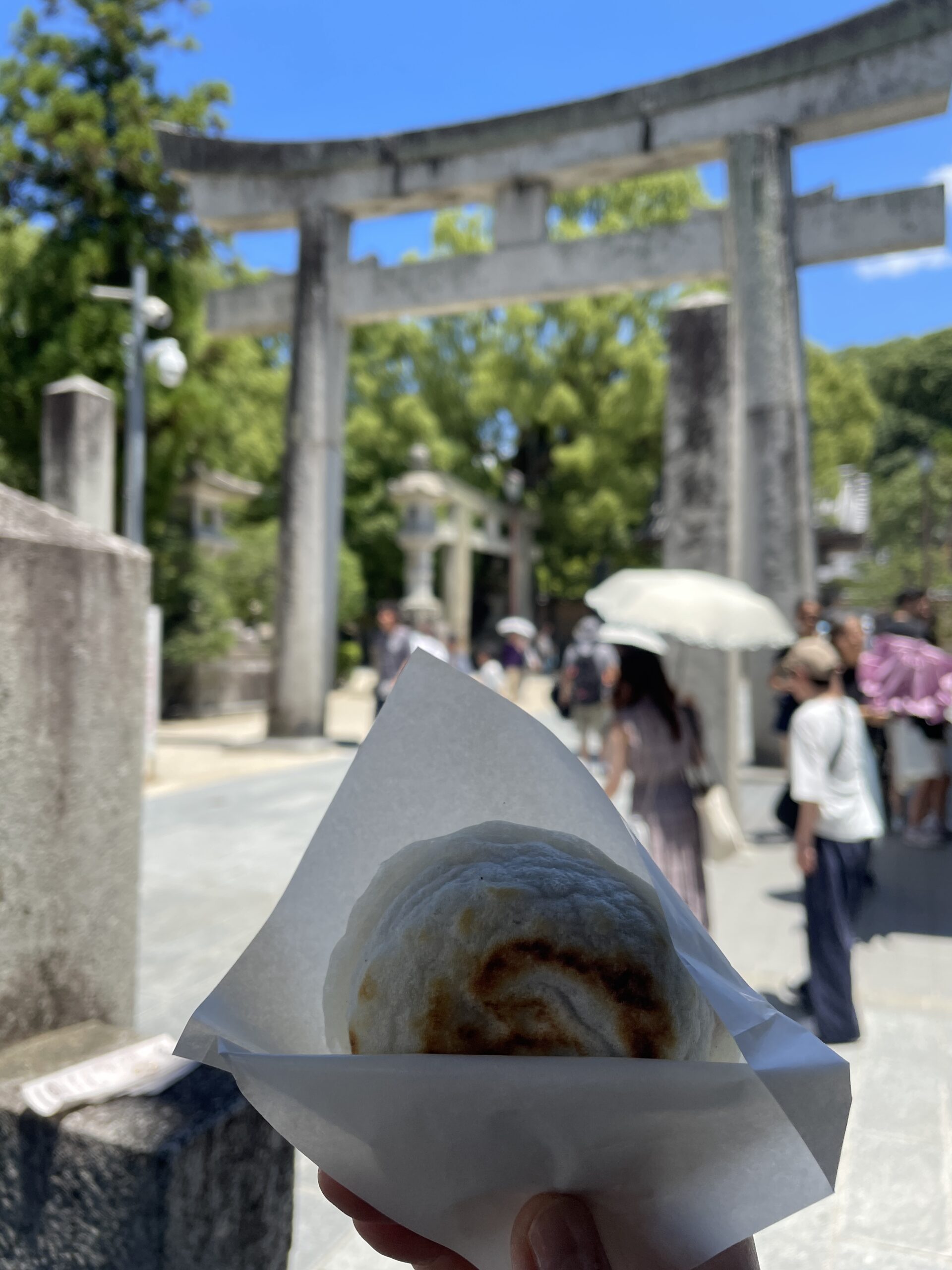
On the way back, I had an umegae-mochi, a grilled rice cake with sweet red bean paste and a Dazaifu speciality, on the approach to the shrine. I love them so much that I always buy some whenever I spot them at Kyushu product fairs, so eating one in its hometown was deeply satisfying. There are plenty of shops along the street, so buying from a few different ones and comparing is a lovely idea too.
National Treasures, ginseng, and mochi. Yet again, a wonderful day.