I had some business in Kanazawa, and figured I’d revisit the D.T. Suzuki Museum while I was there. But it turned out the place I needed to be was right next to Yoshio Taniguchi’s museum of architecture. Walking distance, even. Well, then, this time it has to be here! And just like that, the plan changed. As always, today was a wonderful day.
What is the Taniguchi museum of architecture?
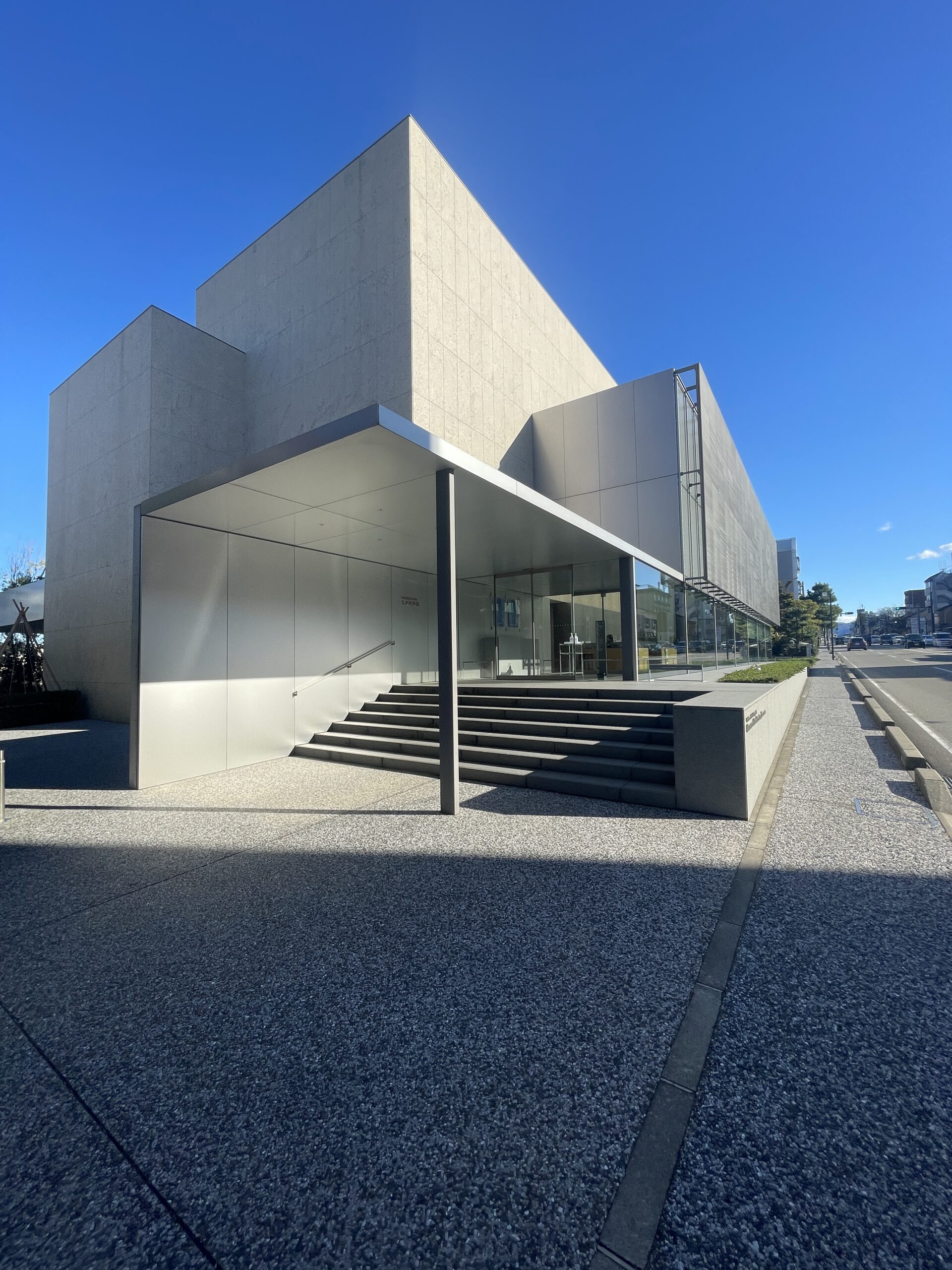
The Yoshiro and Yoshio Taniguchi Museum of Architecture is named for a father-and-son pair of architects. The father, Yoshiro, was born in Kanazawa and designed works such as the Toyokan (Asian Gallery) at the Tokyo National Museum. The son, Yoshio, designed the new wing of the Museum of Modern Art (MoMA) in New York, one of the greats of modern museum architecture.
Taniguchi has long been one of my favorite architects. The D.T. Suzuki Museum is also a Yoshio design, so really, I had wanted to do a full Taniguchi-building crawl that day, but…
What you can see here includes a faithful recreation of the main Japanese-style room and the tea room of “Yushintei,” the Japanese-style annex of the State Guest House, Akasaka Palace. The real thing requires a reservation and is fairly hard to get into, so being able to experience it up close here is something special.
“Ohh!” at the recreated Yushintei
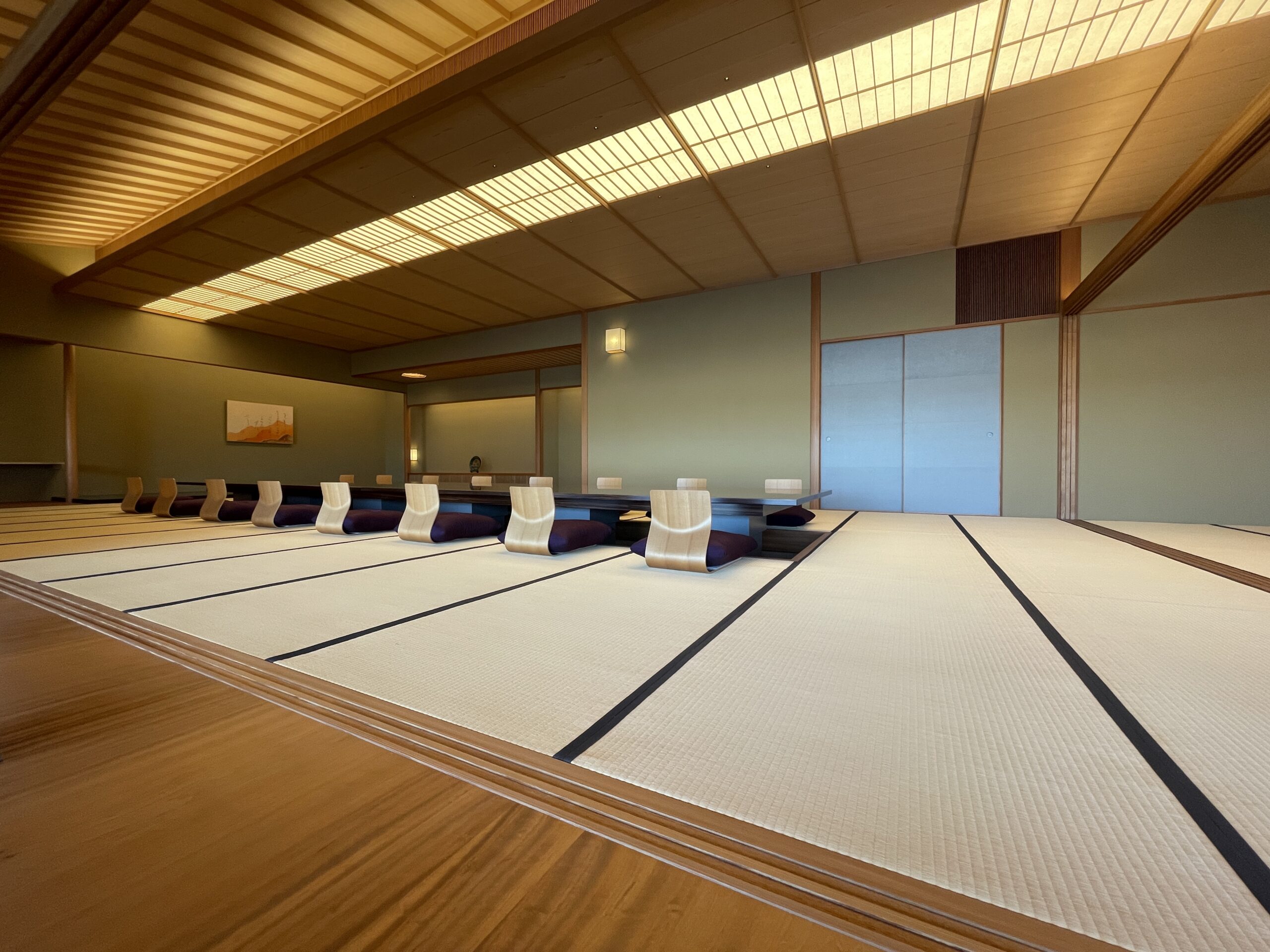
Stepping into the main room, my first “oh, ohh…” was actually at how empty the place was (laugh). But really, the height of the ceiling and the sweep of the tatami pulled an “ohh!” out of me. Crisply composed, yet somehow soft. A Taniguchi building through and through. How can something this wonderful have no one else in it…
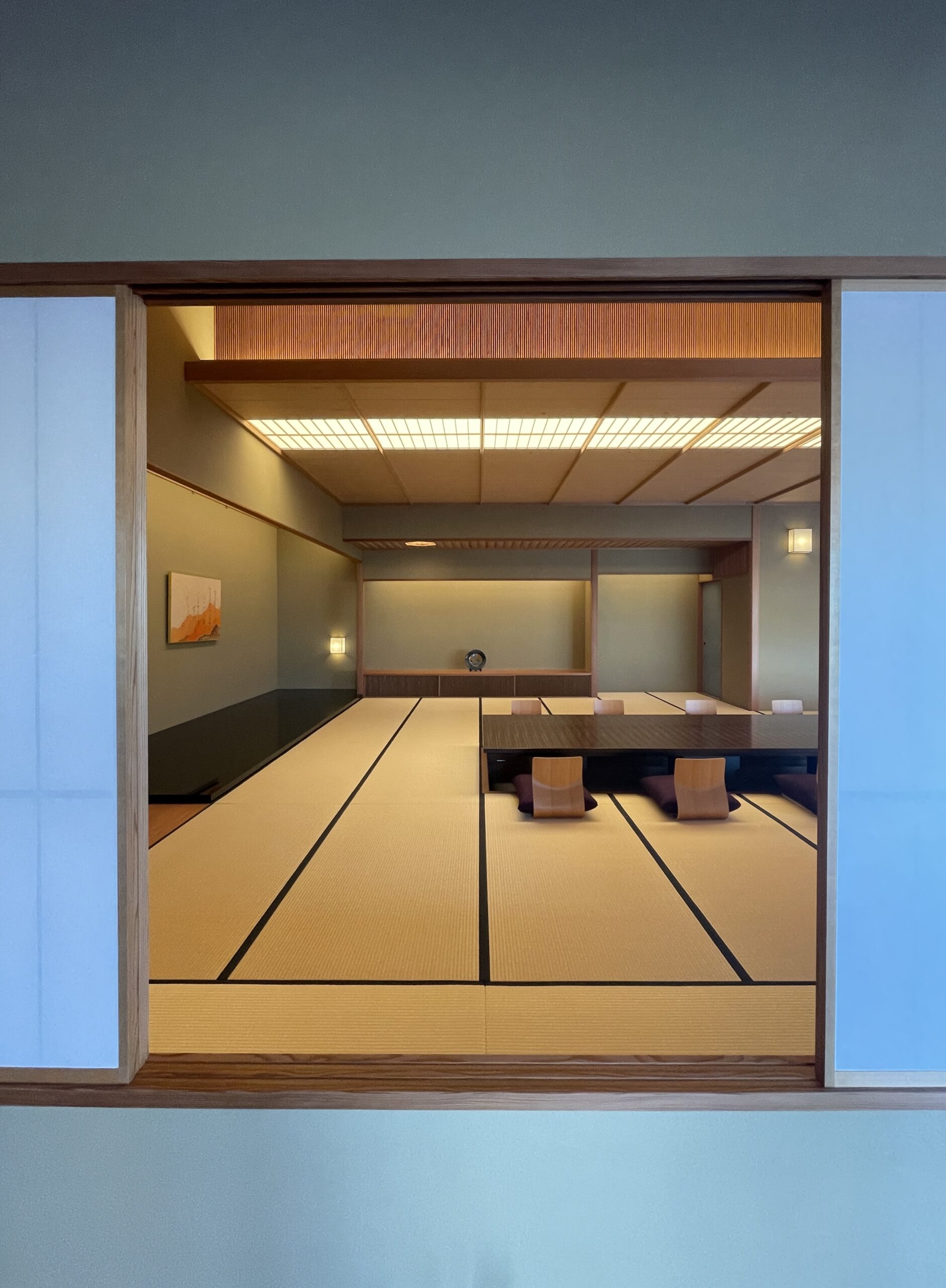
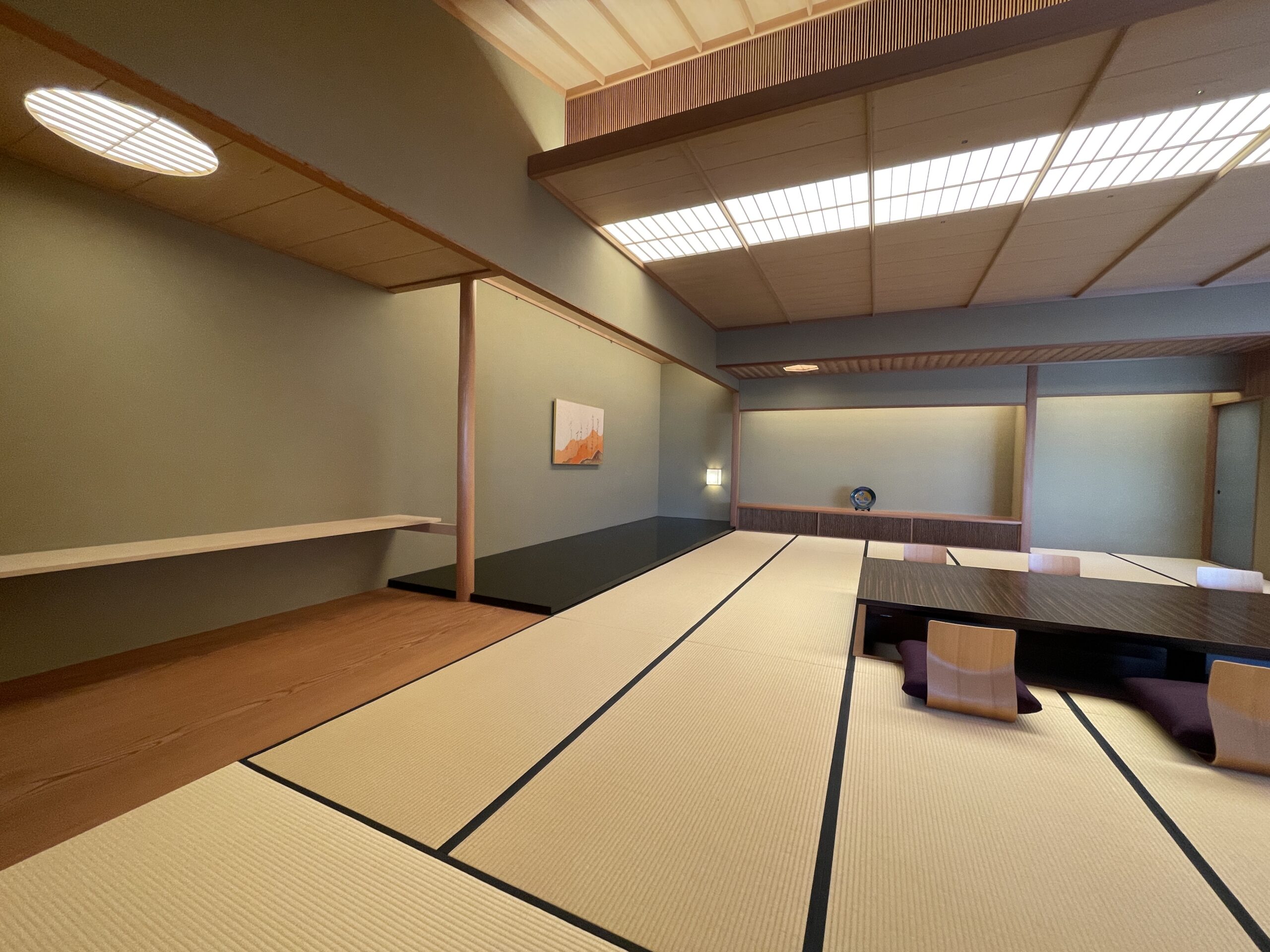
Looking at Yushintei, the urge to visit the real Akasaka Palace started welling up. I keep meaning to, but whenever I go to Tokyo, kabuki ends up being the main event and I never quite find the time… excuses, excuses. Someday for sure, this year! (It’s probably not happening this year, though.) (laugh)
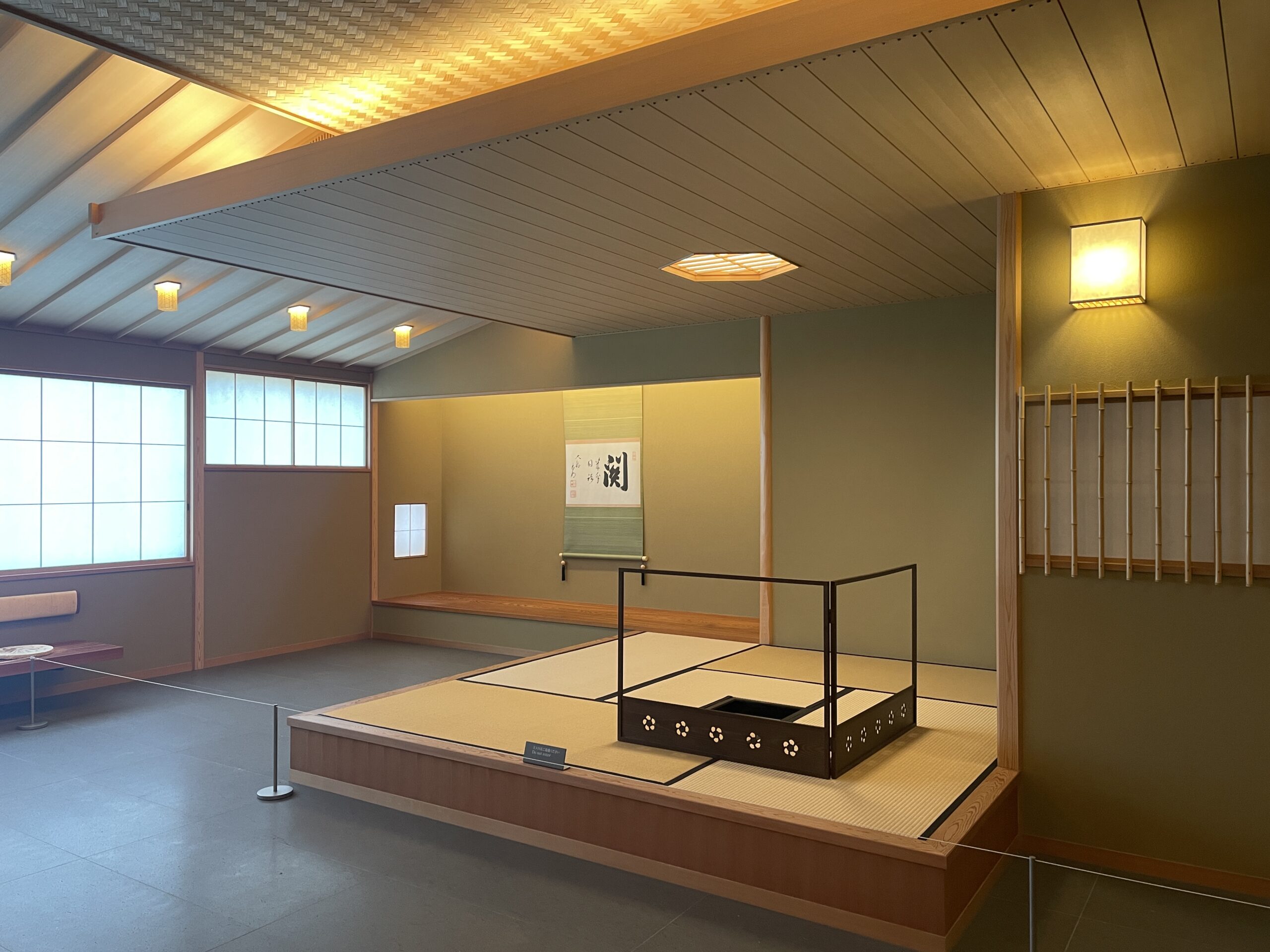
Of course, Taniguchi means water
A Taniguchi building means a space that uses water. Gazing at the recreated Yushintei, I suddenly thought, “wait, this museum doesn’t have any water…”
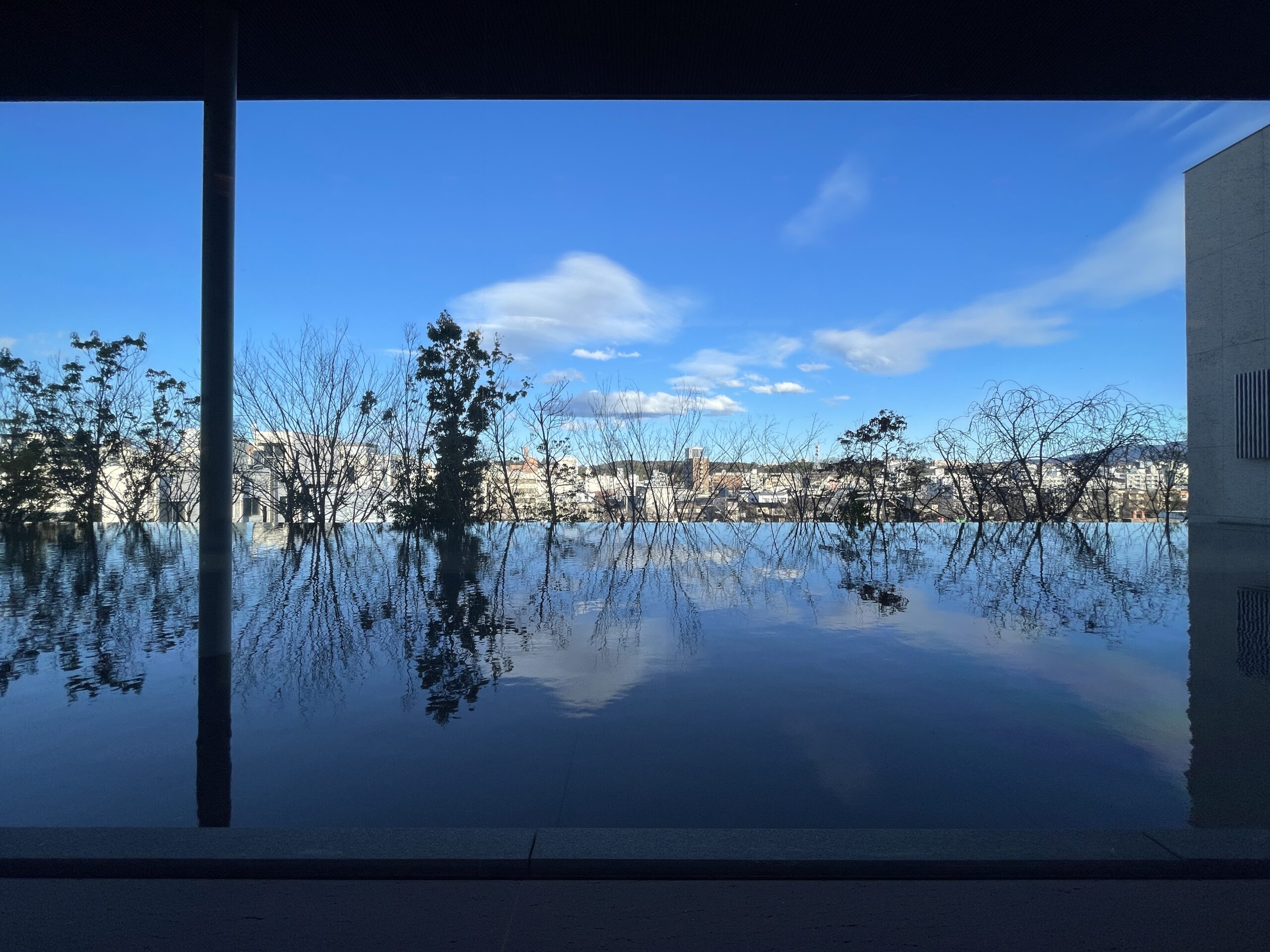
And then, there it was, right in the same space. What stole my heart was this water garden. It was a clear day, mild for winter, and the sky was reflected cleanly across the surface. Birds came to drink, and each time they pecked at the water, ripples spread out softly. I had come to see Yushintei, but I was completely absorbed in this instead.
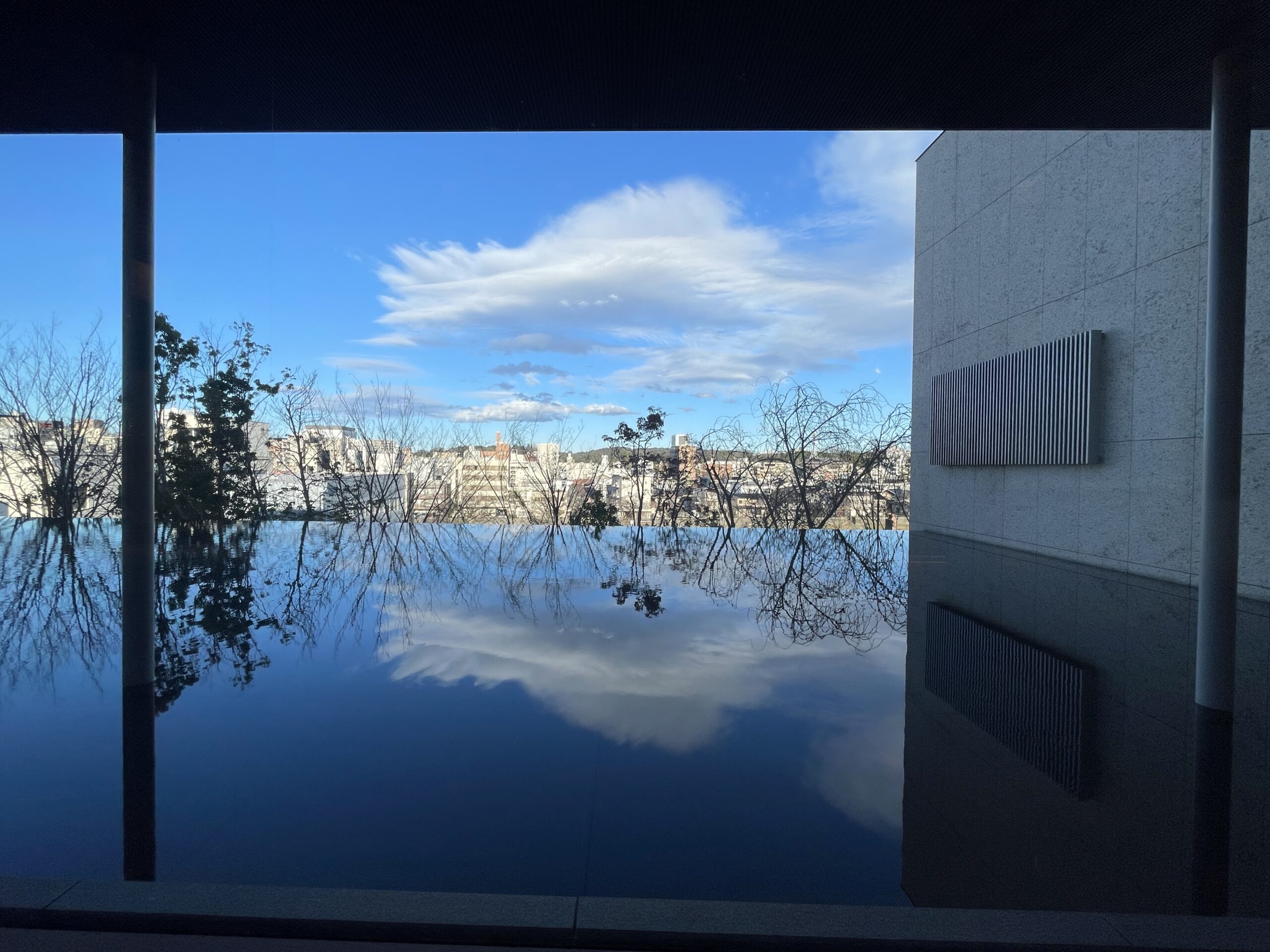
The water garden apparently shows a different face in each season. I’d love to come back at another time of year, I thought, gazing out at it for a good long while. Taking in this lovely scene, I felt content enough to think, you know what, the D.T. Suzuki Museum can wait for next time.
Closing thoughts
It wasn’t even on the plan, yet the Yushintei recreation and the water garden I stumbled into became the most memorable part of the day.
Next time, a different season’s water. And someday, the real Akasaka Palace. Two new items added to the list, a happy little detour.