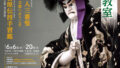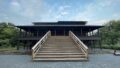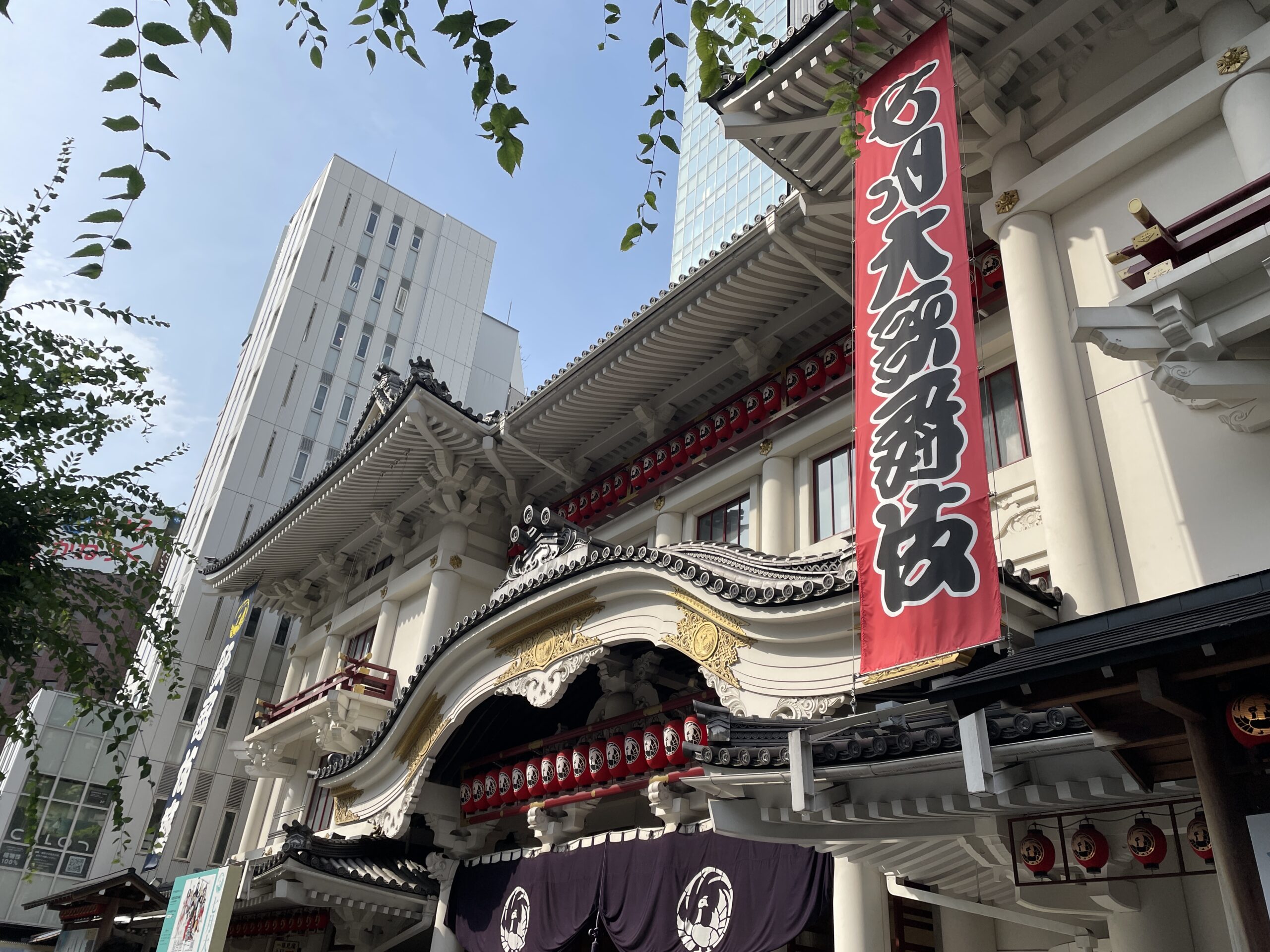
That month, I kept coming back to the Kabukiza with the Shochiku Kabuki-kai flat-rate theatregoing service: three times for the Evening Show. The Sanbaso dance in the finale was so glorious that I would have happily gone just to see that. Yes, today was the best day ever, again.
What kind of program is the July Grand Kabuki?
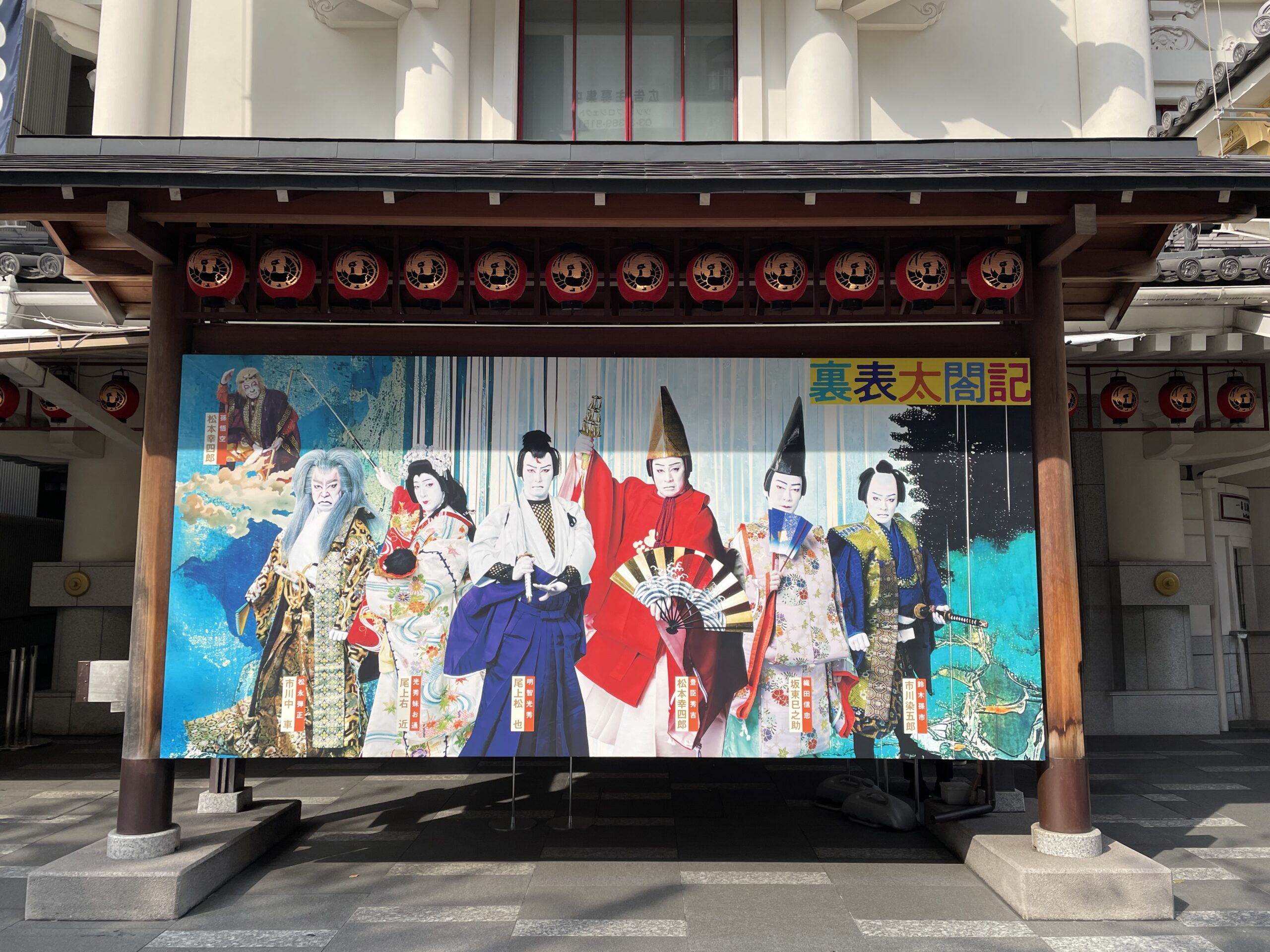
The Evening Show of the July 2024 Grand Kabuki was Ura Omote Taikoki, “the front and back of the Taiko”. First staged in 1981 by Eno Ichikawa II, it returned to the stage after some 43 years. It is a full-length play that interweaves light and shadow: Hideyoshi as the “front” of the story, Mitsuhide as its “reverse”.
Hideyoshi was played by Koshiro Matsumoto, who took on three roles in all, at one point transforming into Songoku, the Monkey King, and flying above the audience in an aerial stunt. What a night’s work.
A July with the flat-rate theatregoing service
The flat-rate theatregoing service, exclusive to Shochiku Kabuki-kai members, is a dream for anyone who wants to keep coming back: pay once, then see the production as many times as you like during the run. Seats are chosen from vacant second-floor seats by telephone. Wait, phone bookings? In this day and age?! But with a seating chart to hand, it all goes surprisingly smoothly. My tip: open the seat availability page on your computer while you make the call, and it goes smoother still.
My seats were mostly on the east side (house right), with the occasional spot near the center. From the east side the hanamichi walkway is in perfect view, though off-center seats do come with a few blind spots. With a flat rate, I honestly didn’t mind at all, and being able to look straight along the hanamichi made these some of my favorite seats.
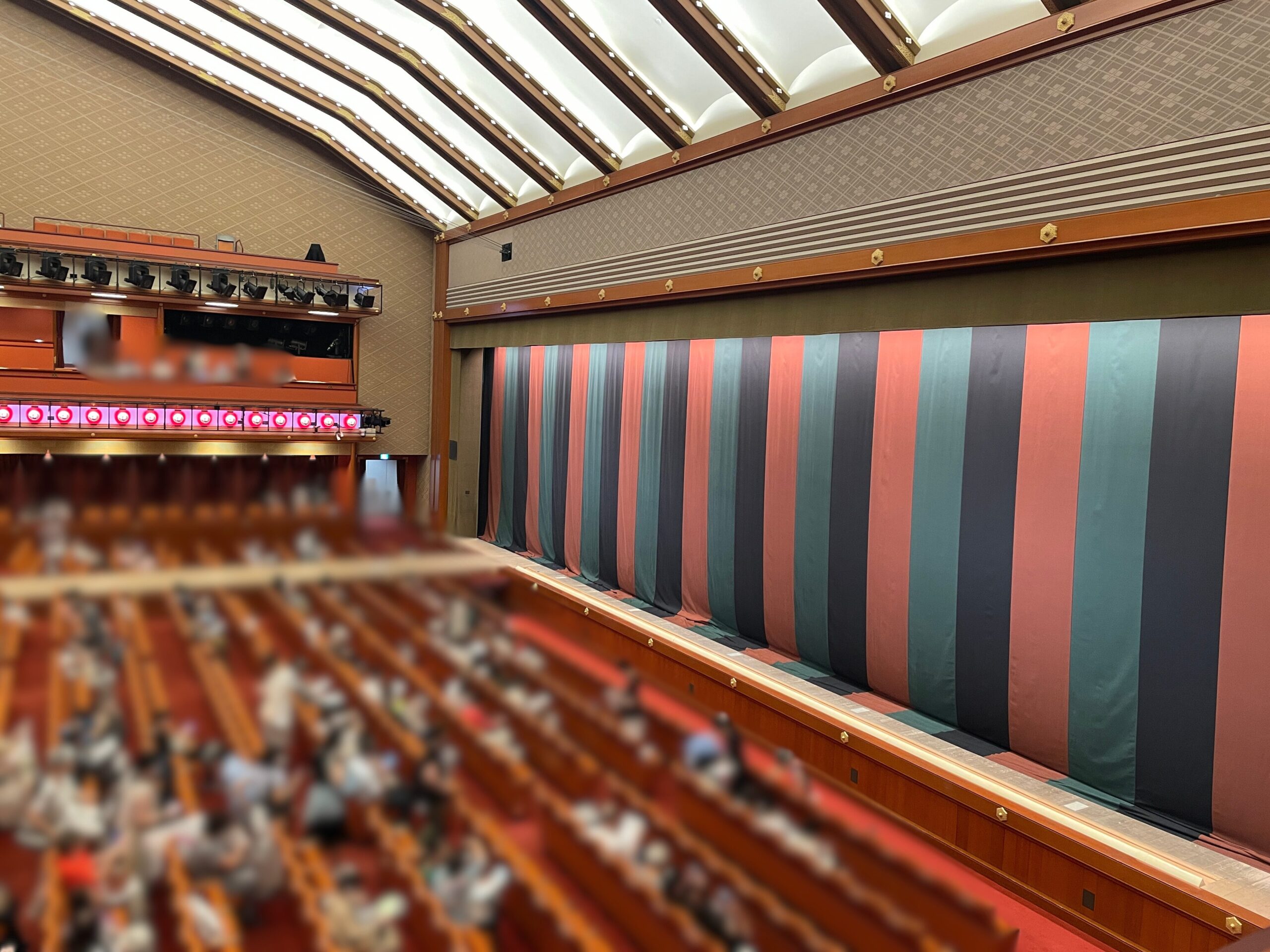
The funny thing was this: knowing I could come back any time, I mostly stopped buying bento and snacks. Freed from my usual “bento or taiyaki?” dilemma, it became “taiyaki, no contest!” A wonderfully light and easy way to go to the theatre.
Water spray, and three generations on one stage
In the waterfall scene, a fierce fight unfolds amid real rushing water. Moving about in all that water looks utterly exhausting, so much so that I started to worry the performers might burn so many calories they would simply keep losing weight. From my seat, I gratefully enjoyed the cooling spectacle… though perhaps I should try it as a diet?
Then comes the scene at sea, in which three generations of the Koraiya family, Hakuo Matsumoto, Koshiro, and Somegoro Ichikawa, stand on the same stage. It gets me every time. Beyond the sheer weight of kabuki history, I am filled with gratitude and respect for Somegoro’s parents, Koshiro and Sonoko, for raising such a fine kabuki actor. His own earnest devotion to his art surely plays a great part, but when I think of the years of his mother’s care behind it, as one humble theatregoer I can only be thankful. Seeing the three of them side by side just brings it all welling up.
The glorious Sanbaso
And then, the Sanbaso of the finale. Amid falling cherry blossoms, Matsuya Onoe, Minosuke Bando, Ukon Onoe and Somegoro dance, joined by Koshiro himself, an extravagant closing number if ever there was one.
Colorful costumes, dazzling choreography, and a cast so good you could not single anyone out. I had no idea in which to look, and ended up following Ukon with my eyes the whole time. I really do love him, don’t I.
Even on my third viewing, the Sanbaso made me think “I’m so glad I came” every single time. It may well have been the moment I felt the true joy of the flat-rate pass.
In closing
Thanks to the flat-rate theatregoing service, I saw the same production three times in a single month, a luxury in which new details revealed themselves with every visit.
If a chance to attend like this ever comes around again, I will sign up without a second thought. And no doubt I will once again have absolutely no idea in which to look.