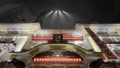
A Noh performance inside a museum, and from the very front row, no less. Watching an Important Cultural Property mask become Shizuka Gozen, then the ghost of Tomomori, right before my eyes. What a luxurious day. Yes, today was wonderful again.
What is Tōhaku Noh?
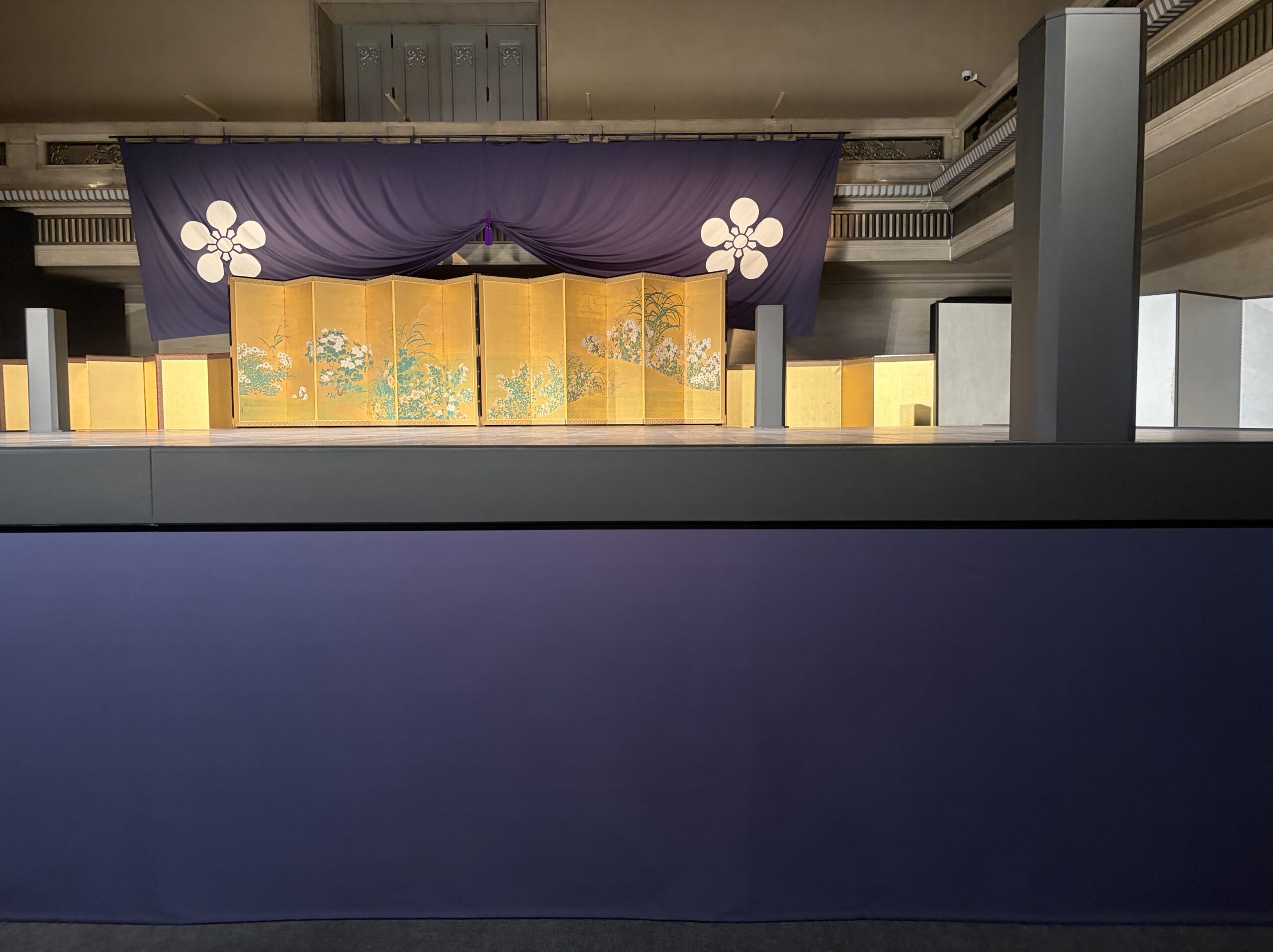
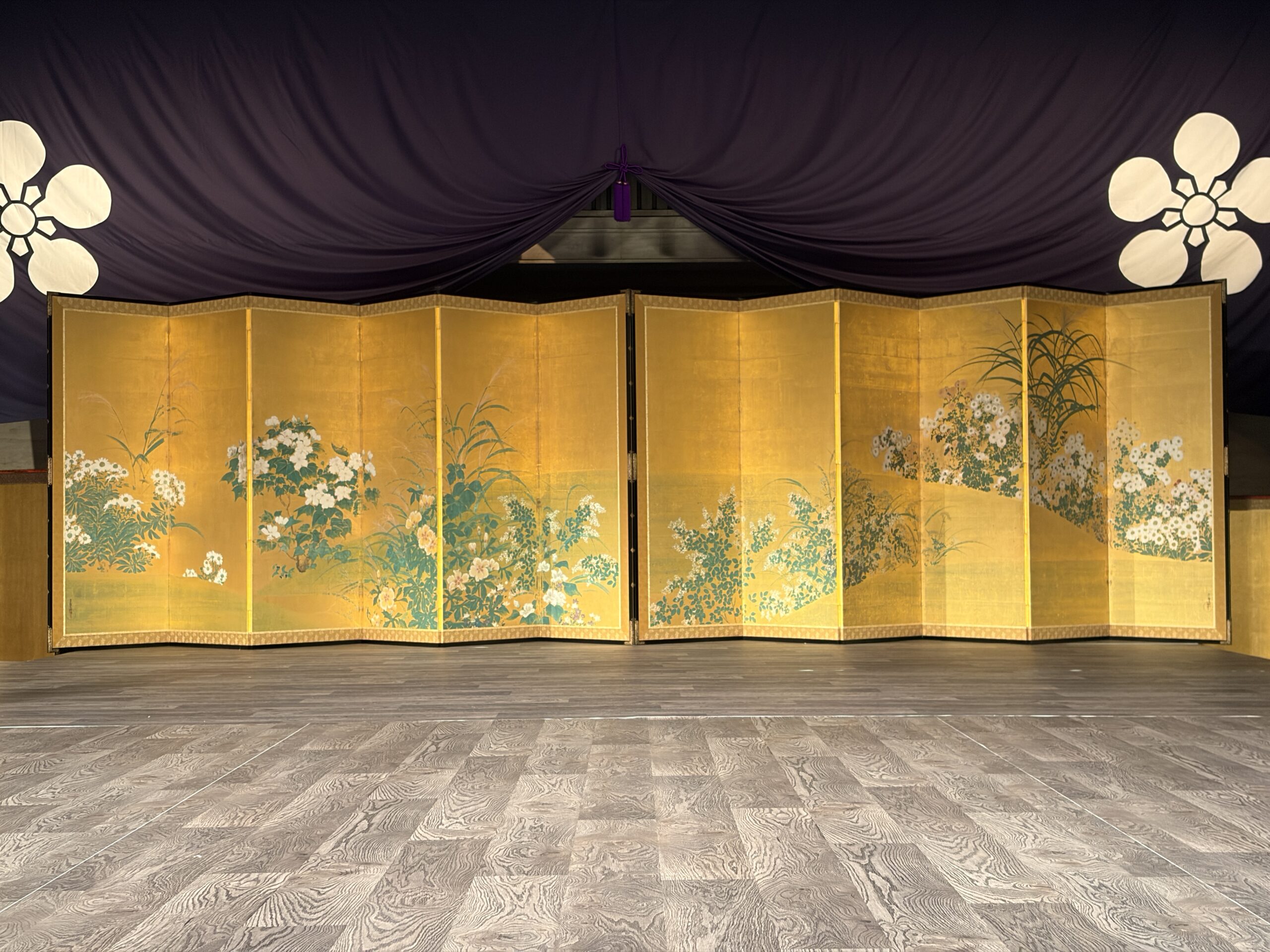
“Tōhaku Noh” was a joint production by the Tokyo National Museum and the Hōshō Association (Hōshō-kai), staged on a special Noh stage built right inside the first floor of the museum’s Honkan (Main Building). It ran from April 17 to June 7, 2026, timed alongside the special exhibition “Hyakumangoku! The Maeda Family of Kaga.” The Maeda family of Kaga had cherished and supported the Hōshō school of shite-kata (lead-role actors) ever since the Edo period, a historical connection that may well have been part of the spark for this event.
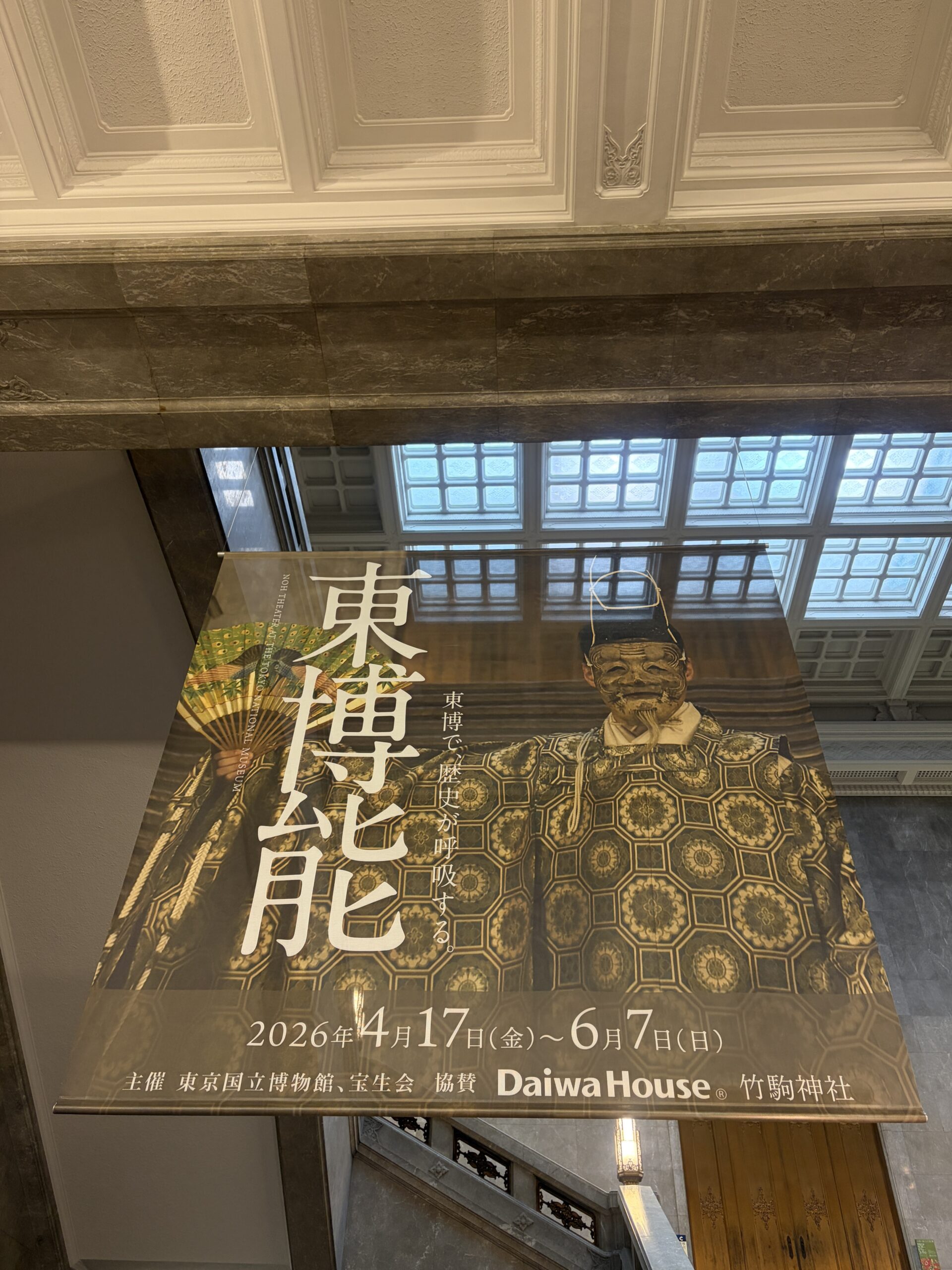
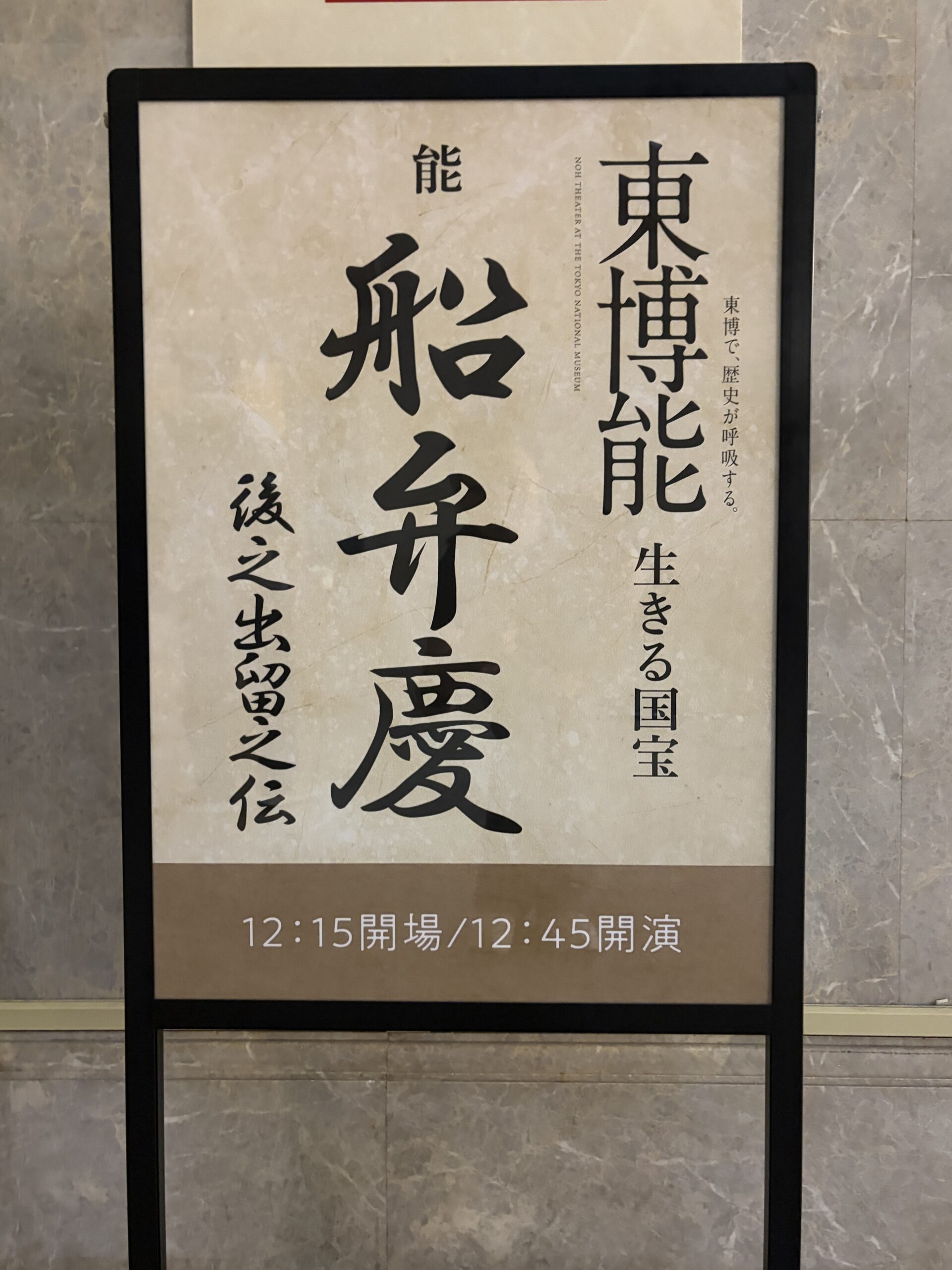
The day I went was the final day, a special “Living National Treasure” performance. The idea is to take the Important Cultural Property Noh masks owned by the Hōshō Association and actually use them on stage, rather than keeping them behind glass. Some of these masks date back as far as the Muromachi period, yet they are still working tools on the stage today. Seeing “living cultural assets” inside a museum, very Tōhaku Noh.
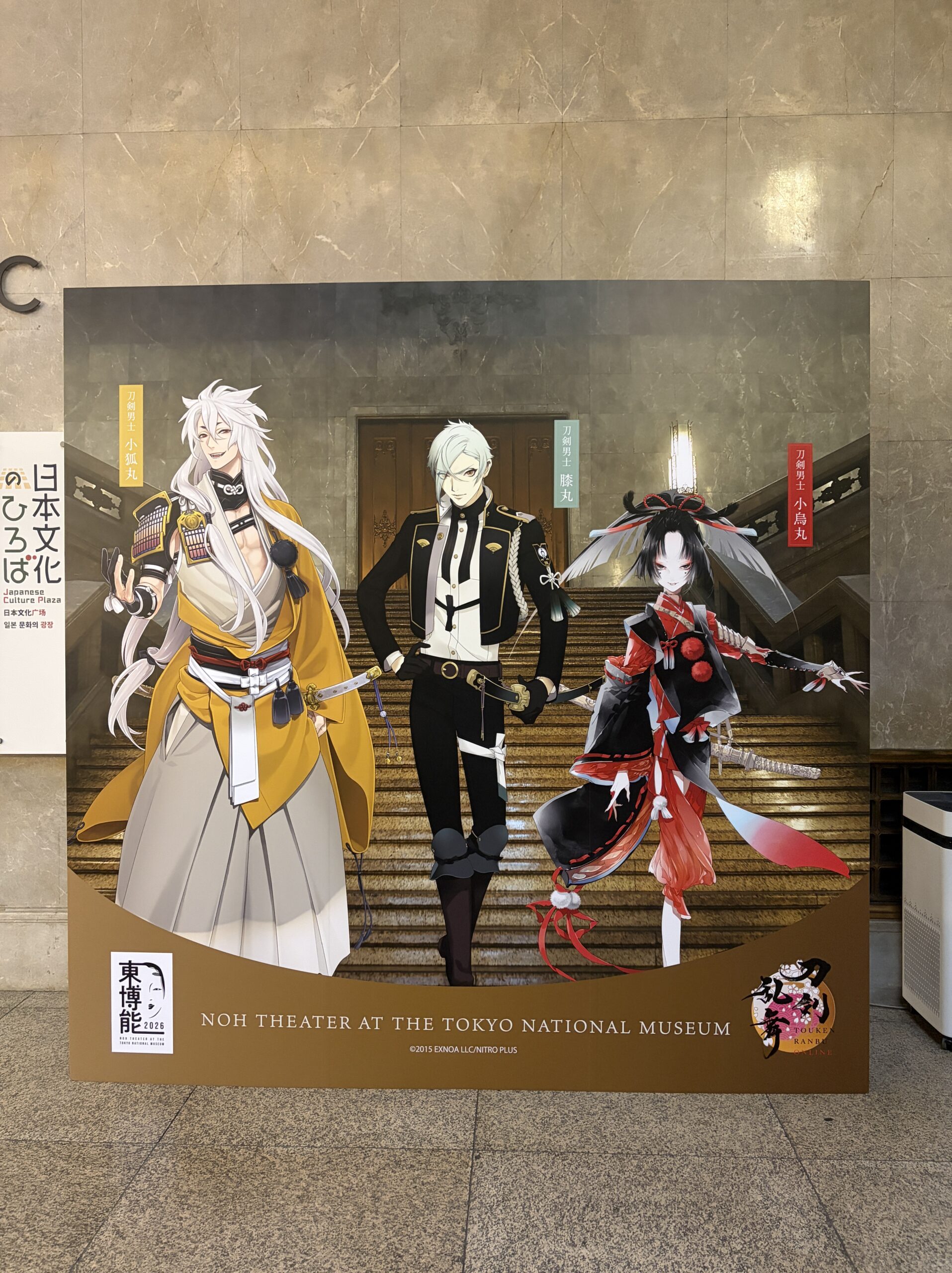
Around the venue there were also collaboration panels with Touken Ranbu, a feast for the eyes in their own right. Hizamaru, I leveled that one up like crazy for a while there (lol).
Nerves over my entry number, then the front row, center
Tickets were general admission, with a numbered entry slip on the day. With open seating you never know in which you will end up, so I am on edge right up to the last minute, and the number I drew was in the teens! “Wait, does that mean really close to the front??” I got my hopes up, but since I had no idea how the entry order worked, I wandered round and round the Main Building still clutching my nerves, until it was time to gather at the venue.
When I got there, the next number along was already lined up, and a staff member told me to line up in front of that person. Wait, so we go in by number order? Turns out, yes, we did (lol).
And so I landed in the front row, center, a seat you almost never manage to get even with reserved seating. I had been in full give-up mode (“the side stalls are fine, the back is fine too”), but I told myself, “Come on, a chance like this will not come twice!” and went for it. The result: a seat in which I could sink completely into the stage. The best.
Funa-Benkei, and getting lost in the Fushiki-zō’s expression
The play was Funa-Benkei (Nochi no Detome no Den). As Yoshitsune and his party set sail for the western provinces, the first half centers on his parting from Shizuka Gozen; in the second half, the ghost of Taira no Tomomori rises from the sea. The mood flips completely between the two halves.
The mask worn by the mae-jite (first-half lead), Shizuka Gozen, was the Important Cultural Property Fushiki-zō, an early-Edo-period mask. And here is the thing: it is a honmen, the original master mask from which many later utsushi (faithful copies) were carved. Because I was in the front row, I could see the way its expression shifted ever so slightly with the angle, and I found myself completely drawn in. Later, in the post-show talk, I would hear all about utsushi, and learning afterward that I had been watching the original source of those copies up close gave me a quiet little thrill.
Then the kokata (child actor) playing Yoshitsune. His voice was so clear that every time it rang out through the hall, it made me catch my breath. He did start to nod off partway through, mind you, but that is part of the charm (lol).
The sound of the hayashi (instrumental ensemble), too, carried in a way only this museum building could produce. The ōtsuzumi (hip drum) and kotsuzumi (shoulder drum) rising into that high-ceilinged space had a force quite different from a regular Noh theater.
The talk: the Noh mask as artwork, the Noh mask as tool
After the performance came a conversation from Kazufusa Hōshō, head of the Hōshō school, to Ryūsuke Asami, deputy director of the museum. This may have been the part that stayed with me most.
What struck me was that the two were talking about the very same masks, yet their angles were completely different. One stands on the side of preserving and studying them as artworks; the other on the side of using them as tools. Each respected the other’s view while speaking about the masks in their own language, and it hit me that this whole project, building a Noh stage inside a museum, is itself the meeting point of those two stances. The same single object, seen from two positions, can look this different.
One remark really stuck with me: with artworks, older tends to mean more valuable, but with Noh masks, older is not necessarily better. Apparently a mask whose expression is too strongly fixed can actually be harder to use. In the world of Noh masks there is a tradition called utsushi, faithfully copying a model mask, and a fine utsushi takes its place on stage with full confidence. Old does not automatically mean great, and old does not automatically mean valuable. An utsushi is not a fake, and it is not a mere copy either. As it happened, I would end up thinking the very same thing later that day in another gallery, but that is a story for another article.
A little extra: the pavements of Ueno
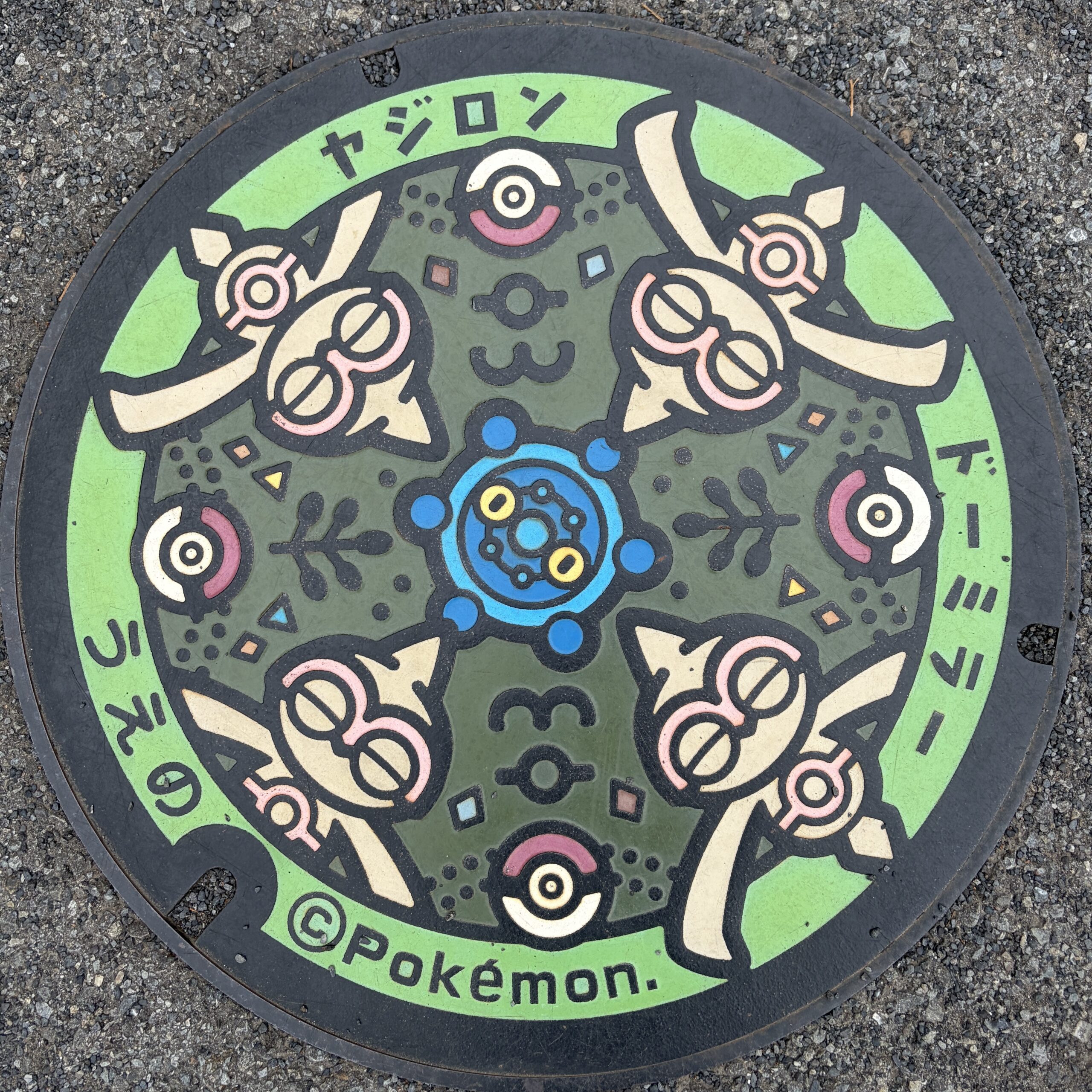
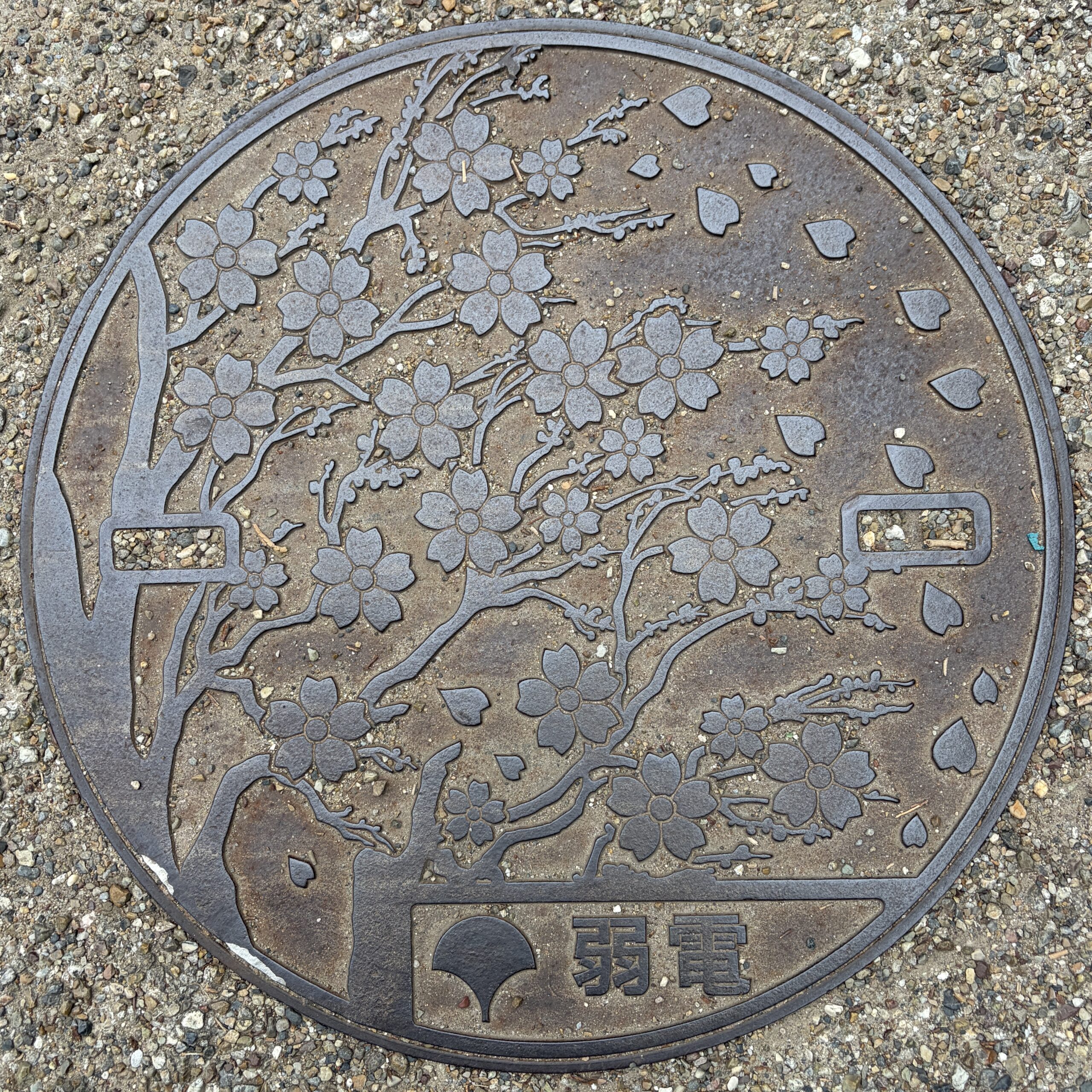
On the way home, I spotted a Pokémon manhole cover and a cherry-blossom one at my feet. Sometimes it pays to walk looking down. Pokémon manhole covers really are too cute!
Wrapping up
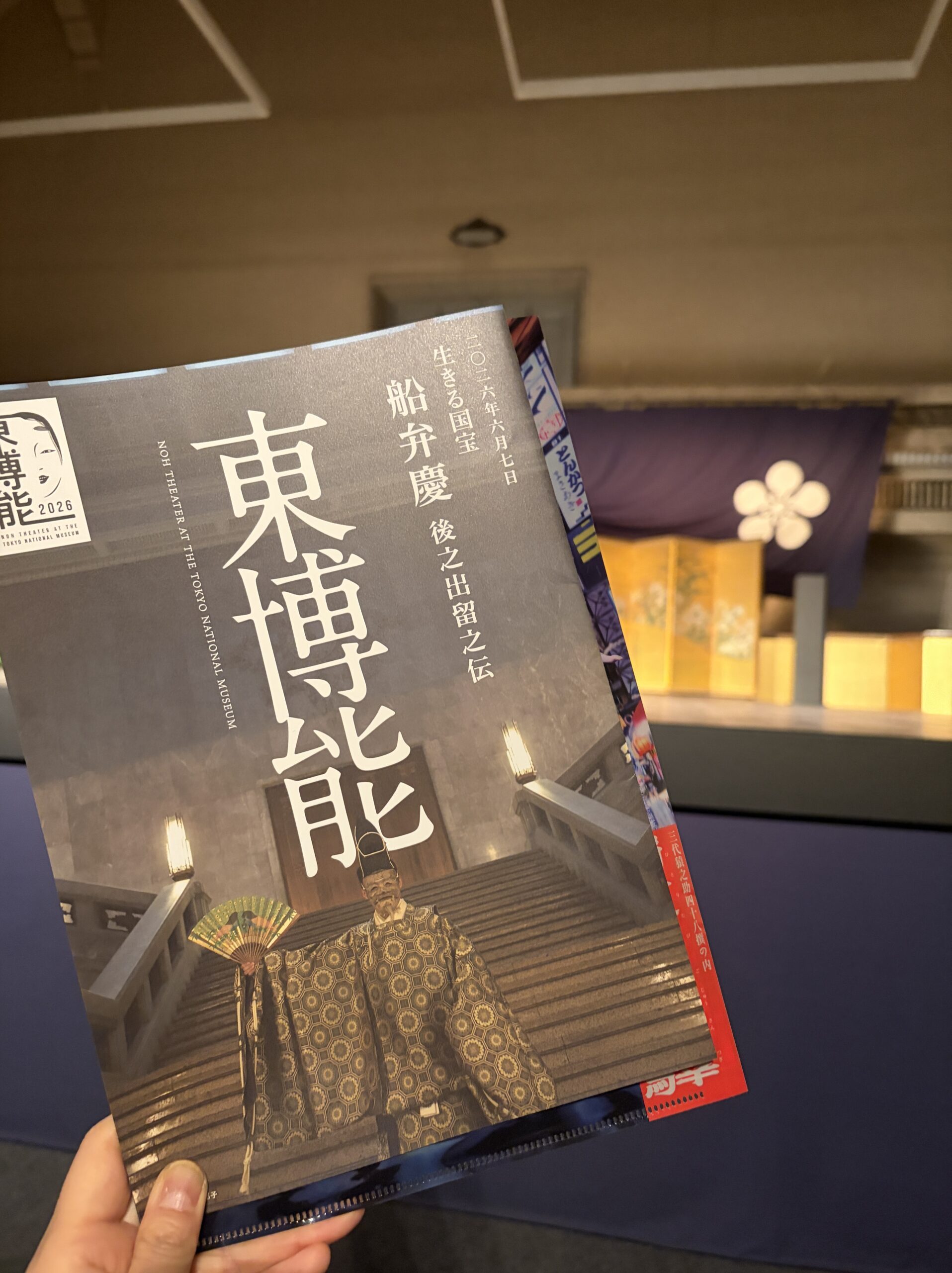
Watching Noh inside a museum. Not through a display case, but the mask living and moving on a human face, and from the front row. Just as the name “Living National Treasure” promises, it was a wonderful experience.
The story of the netsuke I met the same day is here → Netsuke: The Takamado Collection (June 2026)
Related Links